 EN
EN

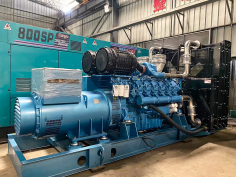
Superior Weather Resistance and Environmental Durability
Exposure to Rain, Dust, and Extreme Temperatures in Outdoor Settings
The open type diesel generators we see out there run in some pretty harsh conditions. Temperatures can swing over 50 degrees Fahrenheit from day to night, and dust levels jump around 83 percent higher in dry areas according to that Energy Infrastructure Report from last year. These models are different from the sealed ones because they don't trap moisture inside. Plus, they let heat escape fast which matters a lot when trying to stop rust from forming on metal parts or getting those pesky electrical problems that happen so often near coasts or deep into deserts where salt air hangs around.
How Open Type Diesel Generator Set Maintains Reliability Under Harsh Conditions
Abrasion-resistant coatings on engine components reduce wear from airborne debris by 40%, and wind-tested air intake filters maintain 99.7% dust-blocking efficiency even during sandstorms. Open-frame configurations enable natural airflow that reduces overheating risks by 32% compared to passively cooled enclosures in tropical climates.
Enhancing Protection with Optional Covers and Proper Mounting Solutions
Retractable rain hoods with UV-stabilized polymer layers extend generator lifespan by 18% in monsoon-prone areas when combined with elevated mounting platforms. Adjustable steel baffles redirect wind-driven precipitation without impeding maintenance access—a balance traditional canopy-style enclosures can't achieve.
Case Study: Reliable Performance in Monsoon-Prone Construction Zones
During Bangladesh's 2022 flood season, open-type units with supplemental shielding achieved 98.4% uptime across 17 bridge construction sites, outperforming fully enclosed generators that required 37% more maintenance hours due to internal condensation issues.
Growing Demand for Resilient Outdoor Power Systems
The global market for ruggedized power solutions is projected to grow at 6.8% CAGR through 2030, driven by infrastructure projects in extreme climates where open-frame diesel generators provide unmatched balance between durability and serviceability.
Robust Build and Long-Term Operational Stability
Open type diesel generator sets excel in outdoor applications due to their heavy-duty frame design, typically constructed from galvanized steel or corrosion-resistant alloys. This foundational strength enables continuous operation in environments ranging from mining sites to coastal areas, where salt spray and abrasive particles accelerate wear.
Heavy-Duty Frame Design for Extended Outdoor Deployment
Generators engineered for rugged use incorporate reinforced crossbeams and welded joints that prevent structural fatigue. A 2023 study by the Global Power Systems Institute found that open-frame units with triple-layered protective coatings lasted 28% longer in high-humidity regions compared to standard models.
Vibration Resistance and Structural Integrity on Rugged Terrain
Advanced shock-absorbing mounts and precision-balanced rotors minimize vibrations even during uneven terrain operation. Agricultural operations in mountainous regions report 92% fewer component failures when using open-type generators with anti-vibration technology versus basic models.
Extended Service Life Despite Continuous Heavy Usage
Routine maintenance cycles are streamlined through accessible component layouts. Open designs reduce heat buildup by 15–20% compared to enclosed units, according to energy efficiency benchmarks, directly translating to slower engine wear.
Open Frame vs. Enclosed Generators in Harsh Climates: A Durability Comparison
| Feature | Open Frame Generators | Enclosed Generators |
|---|---|---|
| Cooling Efficiency | Natural airflow reduces overheating risks | Limited ventilation requires auxiliary cooling systems |
| Maintenance Access | Direct access to components cuts repair time by ~40% | Requires partial disassembly for most repairs |
| Debris Resistance | Optional mesh filters prevent dust ingress | Sealed design traps internal contaminants |
| Ideal Use Case | High-vibration, high-dust environments | Noise-sensitive urban sites |
This durability-focused engineering explains why open type diesel generator sets dominate sectors like construction and disaster response, where equipment failure costs exceed $18,000/hour (Industrial Safety Journal, 2023).
Easy Maintenance and Unrestricted Component Access
Simplified Servicing Without Full Disassembly
Diesel generators with open designs make life easier for techs who need to check things over or fix problems without tearing everything apart first. When parts are visible through the open frame, mechanics can spot issues with fuel lines, filters, and wiring right away. This saves a ton of time during servicing too many shops report cutting down on maintenance hours by around 35 to maybe even 50 percent when switching from closed units. Looking at what's happening in the field these days, manufacturers have started building these machines with modular components arranged in ways that actually make sense for regular maintenance work across all kinds of heavy equipment setups.
Reduced Downtime Thanks to Open-Frame Design
The open architecture eliminates barriers that slow repairs in enclosed units, cutting downtime by an average of 2–4 hours per incident. Technicians can replace worn parts or address leaks without navigating cramped enclosures, a critical advantage in industries where production halts cost $8k–$15k hourly.
Field Repairs in Remote Agricultural and Rural Applications
Farm operators and rural contractors benefit from the generator's service-friendly design during harvest seasons or power outages. A single technician can troubleshoot common issues like clogged air filters or voltage irregularities using standard tools, even in locations hours from the nearest service center.
Balancing Simplicity and Perceived Lack of Protection
While the open configuration simplifies maintenance, some users initially question its resilience. However, proper weatherproofing protocols—like applying corrosion-resistant coatings to exposed metal—have proven equally effective as enclosed housings in 89% of long-term deployments.
Portability and Flexible Installation in Remote Locations
Lightweight and Mobile Design for Challenging Access Areas
Open type diesel generator sets excel in mobility, with frame designs reducing weight by 15–25% compared to enclosed units (Power Industry Analysis 2023). This lightweight construction enables transport via ATVs, helicopters, or manual labor across swamps, mountains, and dense forests where traditional generators struggle.
Quick Setup Without Specialized Tools or Permanent Infrastructure
Field crews can deploy these generators in under 25 minutes using basic wrenches and leveling jacks, avoiding costly concrete foundations. The open-frame design eliminates complex housing assembly—a critical advantage for seasonal farming cooperatives and nomadic research teams.
Critical Role in Emergency Response and Disaster Relief Operations
During hurricane recovery efforts in coastal regions, open-type generators provided immediate power for water purification systems and medical tents. Their rapid deployment capability has made them standard in 68% of FEMA-approved disaster response kits.
Ideal for Off-Grid Farms, Events, and Temporary Worksites
- Agricultural: Powers irrigation pumps and electric fences in non-grid-connected ranches
- Events: Supports lighting and sound systems at outdoor festivals
- Construction: Energizes tools at highway projects lacking permanent electrical access
The combination of portability and simplified installation positions these generators as indispensable for modern mobile power requirements.
Fuel Efficiency and Cost-Effectiveness for Outdoor Operations
When it comes to fuel efficiency, open type diesel generators beat their gasoline counterparts by around 18 to 25 percent thanks to those fancy turbochargers and direct injection systems they come equipped with. And let's not forget about diesel's energy density advantage either. Tanks last about 10 to 15 percent longer before needing refills, which makes all the difference for operations in remote areas where getting fuel can be a logistical nightmare for mining companies or construction crews working off the grid. According to some recent research from Frontier Energy in 2024, businesses that switched to diesel generators for their haul roads saw annual savings of roughly seven hundred forty dollars per vehicle on fuel expenses alone.
| Cost Factor | Open Type Diesel Generator | Enclosed Diesel Generator |
|---|---|---|
| Initial Purchase Cost | $7,200 – $12,500 | $15,000 – $23,000 |
| Maintenance (5-year) | $1,800 – $3,000 | $3,500 – $5,200 |
| Fuel Cost/10k Hours | $28,000 | $32,500 |
The initial costs are lower and maintenance is much simpler with open frame systems, which cuts down on total ownership expenses somewhere around 22 to maybe even 30 percent when compared to those enclosed alternatives. Without all those complicated housing parts to deal with, farmers and folks working in disaster zones save roughly between a dollar seventy and two bucks thirty each hour they operate these machines. According to recent field assessments, nearly four out of five contractors actually prefer these open designs for their outdoor work because they last longer while still keeping running costs manageable. Most people in the industry seem to agree that this combination of toughness and affordability makes them pretty hard to beat for long term use.
FAQ Section
What makes open frame diesel generators ideal for harsh weather conditions?
Open frame diesel generators are designed with superior weather resistance, allowing for natural airflow which reduces overheating and prevents rust. They feature abrasion-resistant coatings and wind-tested air intake filters for added durability.
How do open frame generators compare to enclosed generators in terms of maintenance and cost?
Open frame generators offer easier maintenance due to their accessible design, reducing downtime by 35-50%. They also have lower initial purchase and maintenance costs compared to enclosed generators, making them more cost-effective overall.
What are the benefits of open frame generators in remote and challenging terrains?
Open frame generators are lightweight and portable, allowing for easy transport and setup without the need for specialized tools or permanent infrastructure. They are ideal for emergency response, off-grid farms, and construction sites in remote areas.
Are open frame diesel generators fuel-efficient?
Yes, open frame diesel generators are more fuel-efficient than their gasoline counterparts, providing 18-25% more efficiency due to turbochargers and direct injection systems. This results in longer tank life and fuel cost savings, especially in remote operations.
Table of Contents
-
Superior Weather Resistance and Environmental Durability
- Exposure to Rain, Dust, and Extreme Temperatures in Outdoor Settings
- How Open Type Diesel Generator Set Maintains Reliability Under Harsh Conditions
- Enhancing Protection with Optional Covers and Proper Mounting Solutions
- Case Study: Reliable Performance in Monsoon-Prone Construction Zones
- Growing Demand for Resilient Outdoor Power Systems
- Robust Build and Long-Term Operational Stability
- Easy Maintenance and Unrestricted Component Access
- Portability and Flexible Installation in Remote Locations
- Fuel Efficiency and Cost-Effectiveness for Outdoor Operations
-
FAQ Section
- What makes open frame diesel generators ideal for harsh weather conditions?
- How do open frame generators compare to enclosed generators in terms of maintenance and cost?
- What are the benefits of open frame generators in remote and challenging terrains?
- Are open frame diesel generators fuel-efficient?