
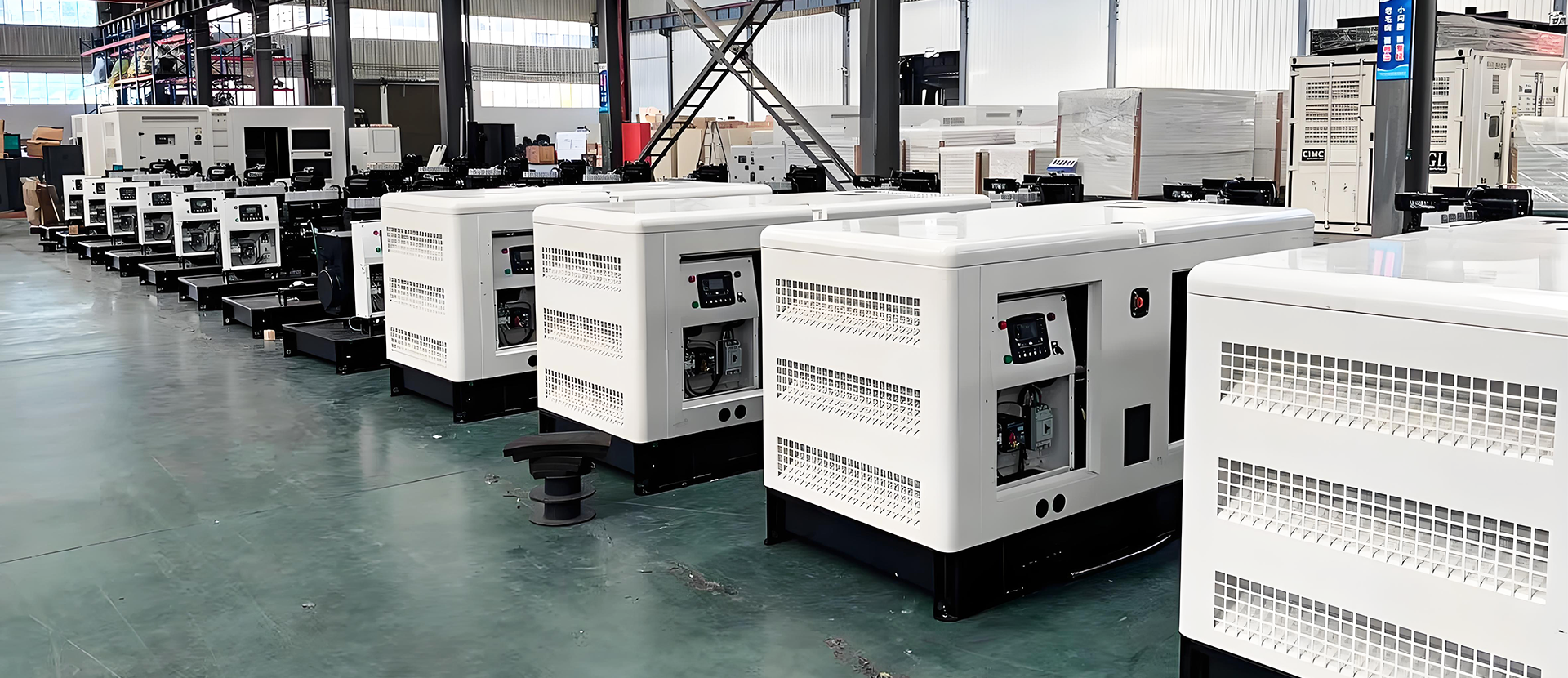
Emergency backup power systems serve as the last line of defense in ensuring business continuity for critical operations. Their core value lies in maintaining essential functions even when the main grid completely fails. Modern emergency power has evolved from single generating units into integrated power assurance systems encompassing rapid response, intelligent control, and multi-energy coordination.
Modern emergency power systems follow a layered protection philosophy:
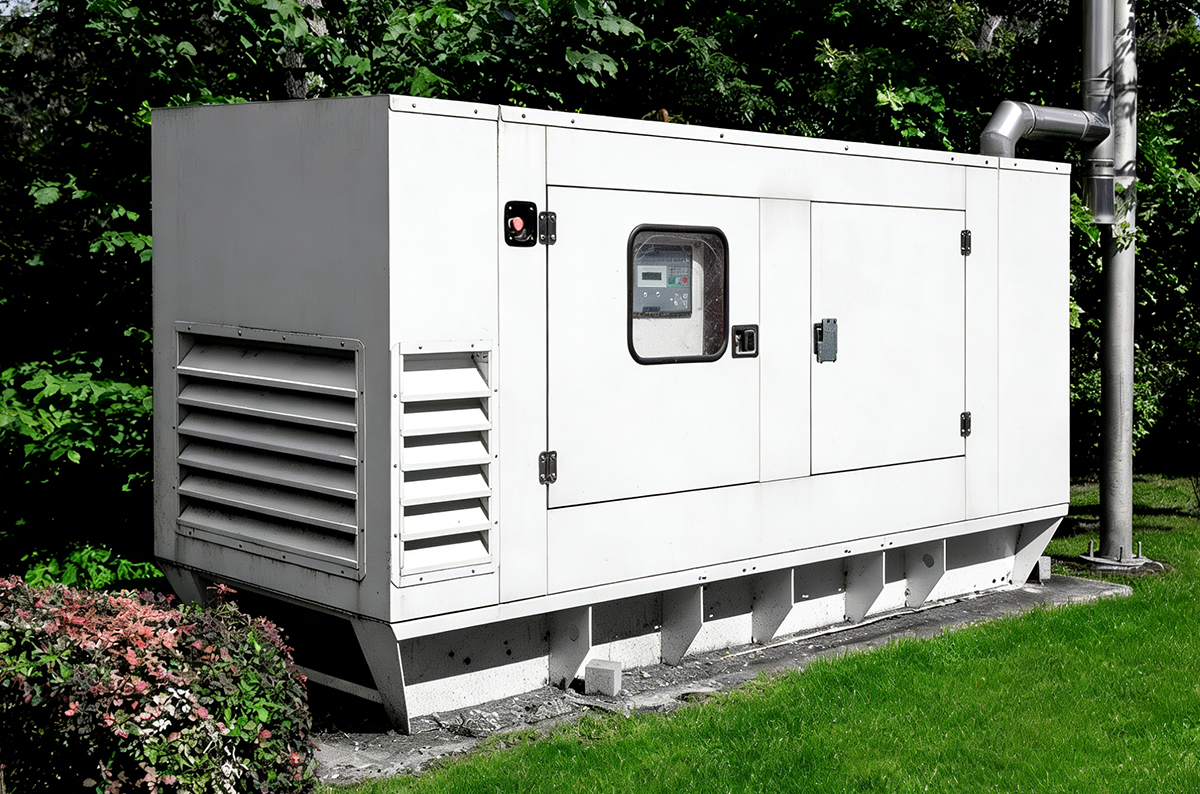
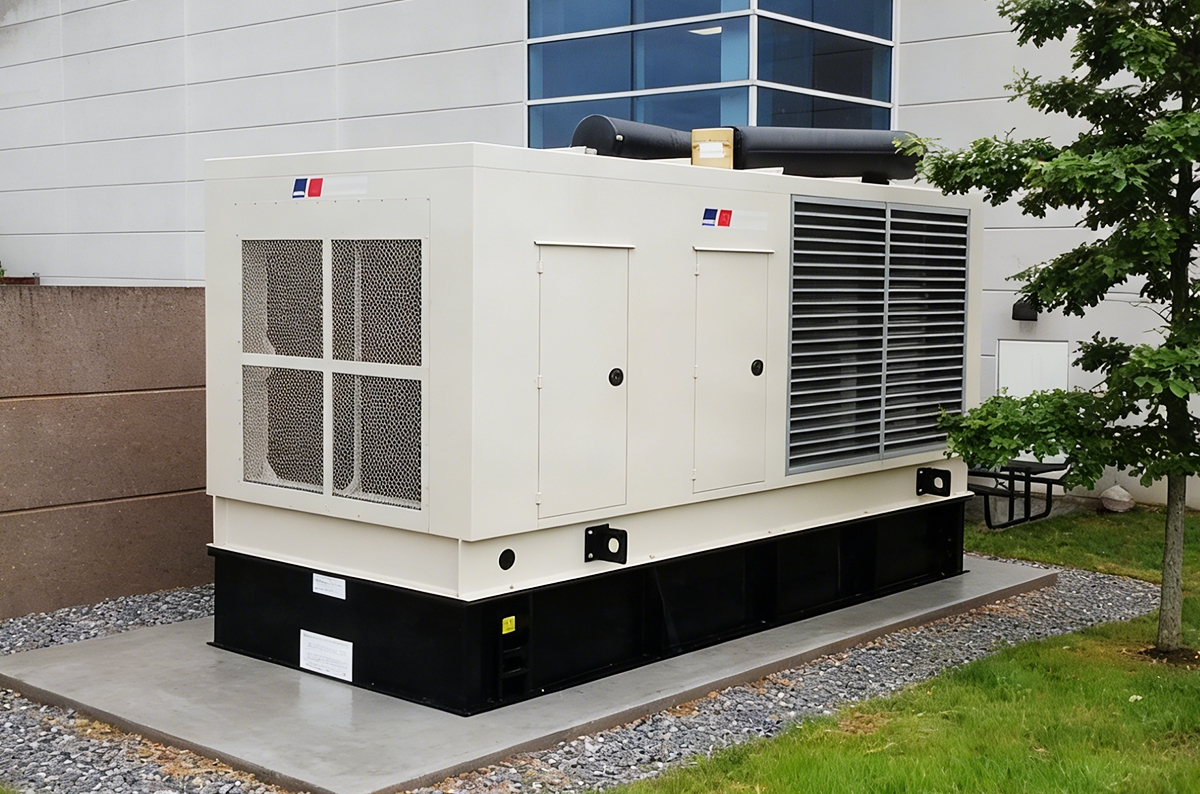
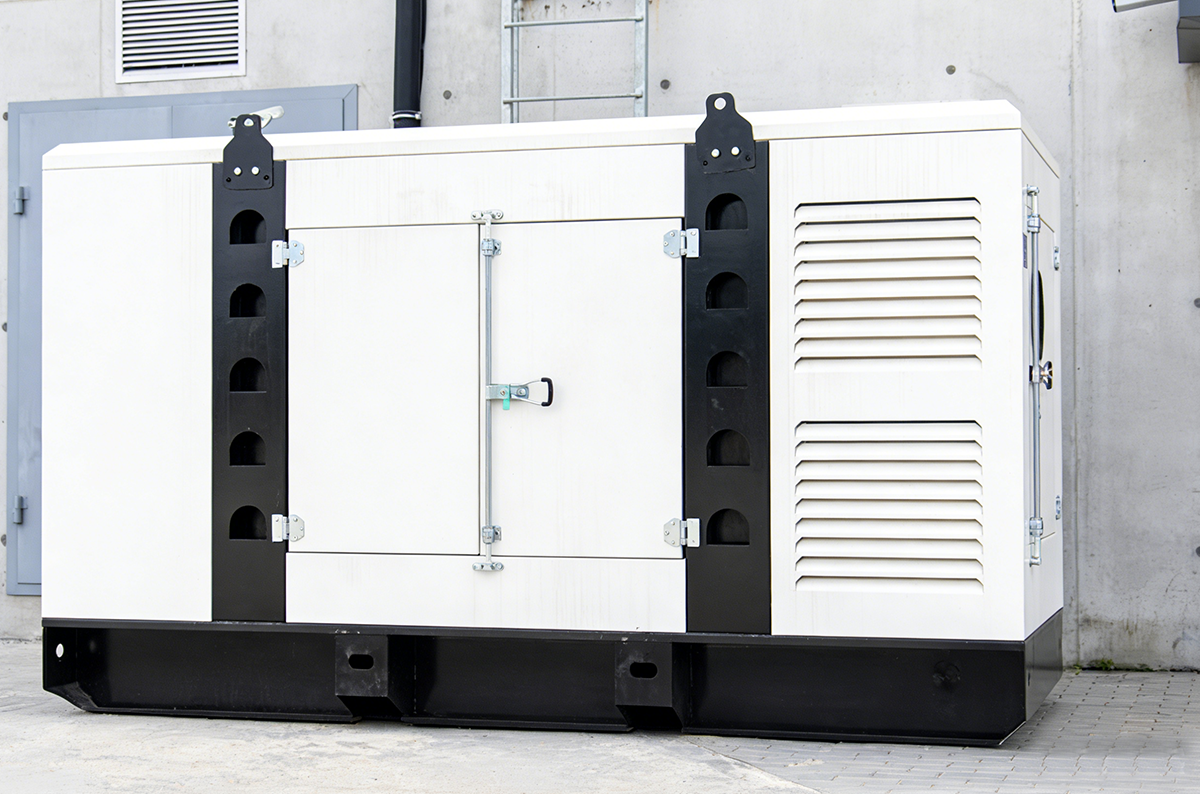
Traditionally viewed as a "hopefully never used" cost center, emergency power has transformed into a strategic asset ensuring business continuity. Reasonable emergency power investments can yield significant returns by avoiding operational disruption losses, participating in electricity market ancillary services, and enhancing facility resilience certification value.
Amid intensifying climate change and increasing grid complexity, scientifically planned emergency power systems are no longer optional insurance but essential components of organizational risk management frameworks. They protect not just power supply, but more fundamentally, the survival capability of critical operations and the fulfillment of social responsibilities.
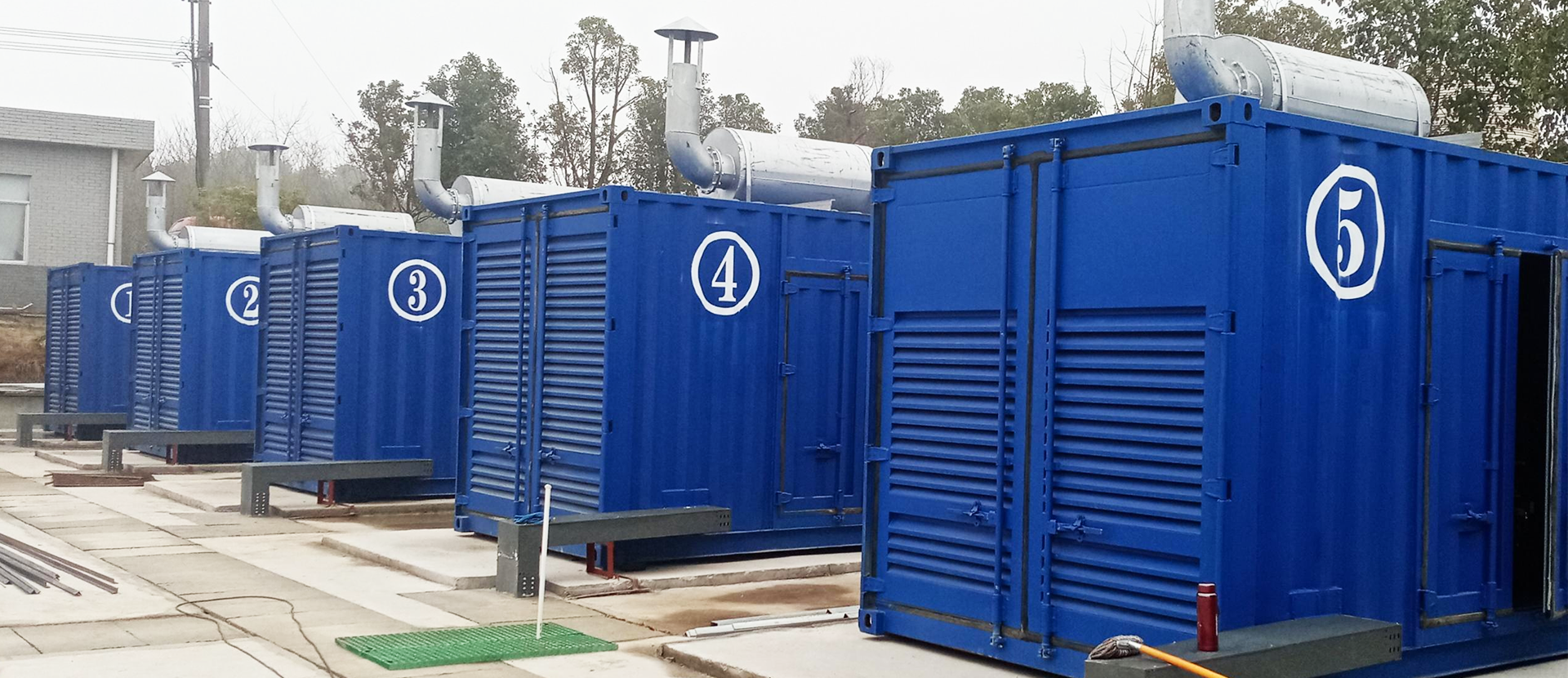
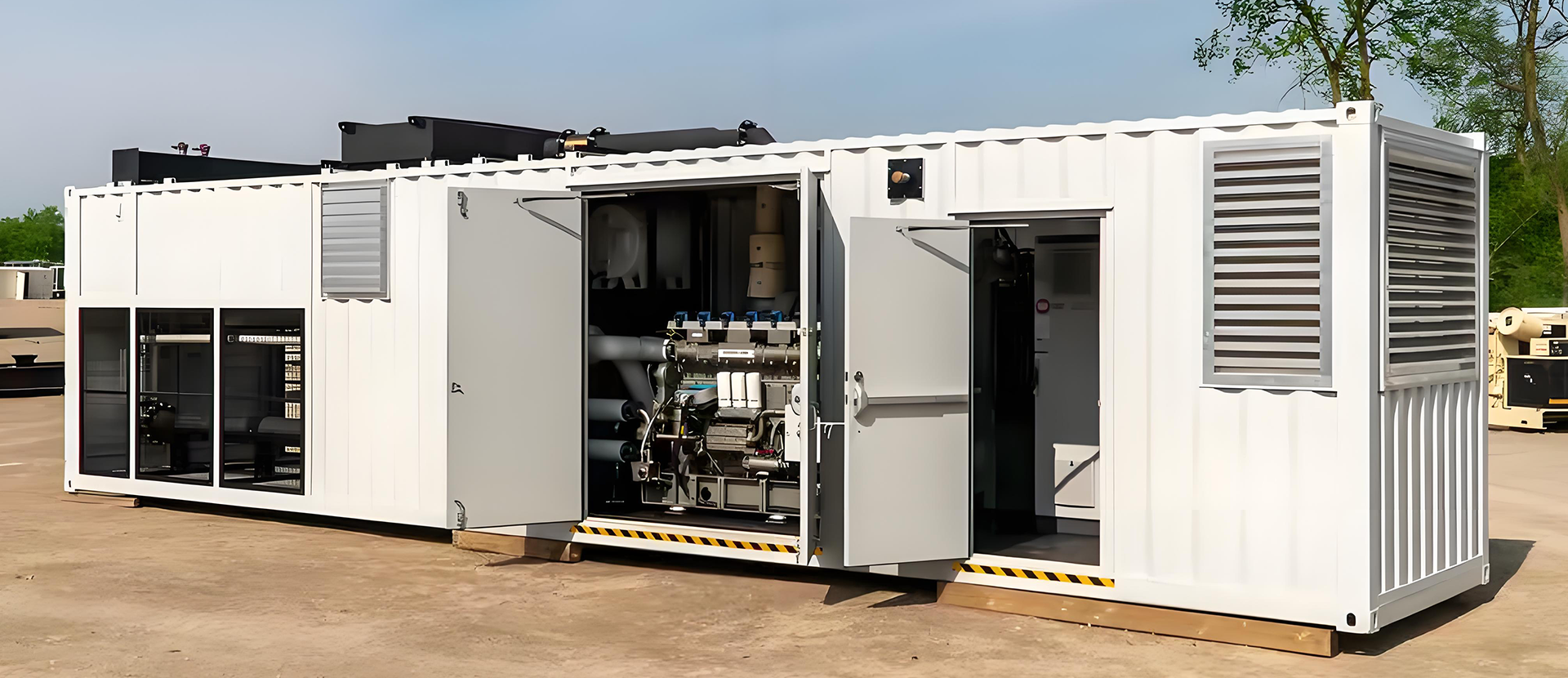
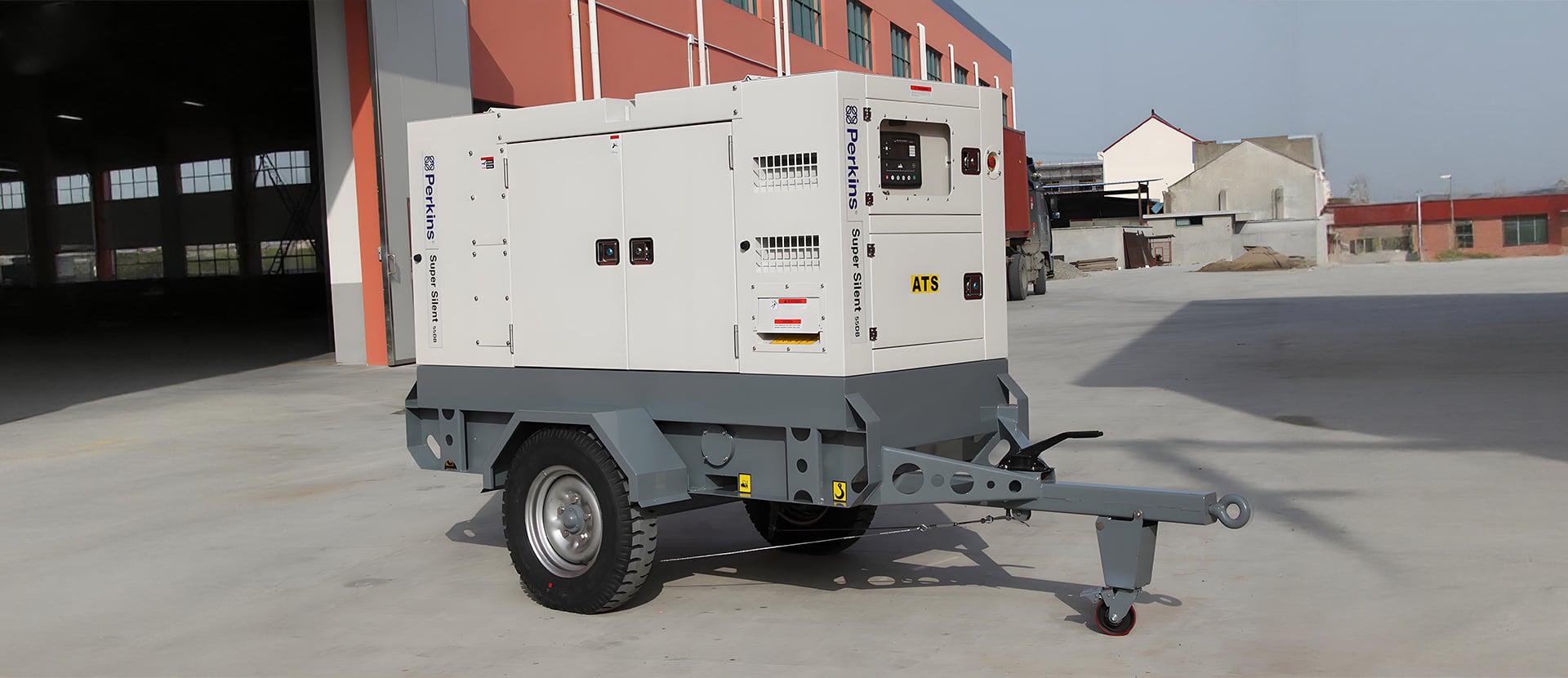
Tailored generator soluitions: reliable, efficient power for industrial, commercial & project need.

Our dedicated support team is available around the clock, providing instant technical assistance and responsive communication across all time zones to keep your power systems running without interruption.
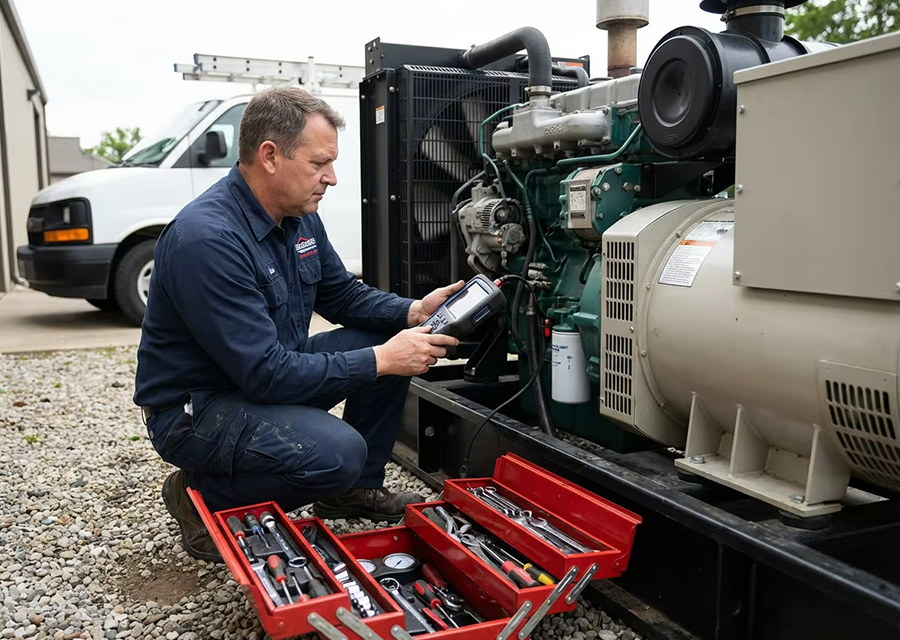
Our experienced engineers provide professional on-site installation, commissioning, and maintenance services, ensuring your generator systems run at peak performance wherever you are in Southeast Asia and South China.











Copyright © 2026 by Guangdong Minlong Electrical Equipment Co., Ltd. Privacy Policy