Chapter 1: Why Choose High Voltage? — Core Advantages and Decision Logic
The driving force behind high-voltage solutions goes far beyond a simple increase in voltage; it stems from fundamental optimization at the systems engineering level.
Game-Changing Cost Efficiency (Optimizing both CAPEX & OPEX)
- Drastic Reduction in Cable Investment: For the same power level, transmission current is inversely proportional to voltage. For a 10MW load over a 500-meter distance, using a 10.5kV high-voltage system compared to a 400V low-voltage system can reduce the required cable cross-section by approximately 95%, with corresponding cable procurement, tray laying, and installation costs decreasing by over 60%.
- Significant Reduction in Transmission Losses: Line losses are proportional to the square of the current. High-voltage solutions can reduce energy losses during transmission from 3-8% in low-voltage systems to below 1%. For scenarios involving long-term continuous operation or expensive peak electricity prices, this can translate to annual electricity cost savings reaching millions.
- Improved Space Utilization: Thinner cables mean smaller cable channel spaces, which is crucial for space-constrained environments like data centers, offshore platforms, and urban core projects.
Leap in Technical Performance and Reliability
- Capability to Start Large High-Voltage Motors: Can directly start high-voltage motors (e.g., ball mills, large compressors) in mining and heavy industries without additional step-down starting devices, simplifying the system and improving reliability.
- Simplified Power Distribution Structure: Can be directly connected to a facility's high-voltage busbar, reducing multiple transformation stages, leading to a cleaner system architecture with fewer potential failure points.
- Enhanced Grid-Connection Capability: Facilitates easier synchronization with municipal grids (e.g., 10kV or 35kV), enabling participation in peak shaving, backup power, or islanded operation, and engagement in demand-side response.
Forward-Looking Approach to Future Challenges
- Adaptability to Load Growth: Provides ample electrical margin for future load expansion without the need to replace main cables.
- Support for Energy Integration: Acts as the core generation unit in a microgrid, enabling more efficient energy exchange with high-voltage-side components like PV inverters and energy storage system (ESS) converters (PCS).
Chapter 2: Typical Application Scenarios and Solution Architectures
Scenario 1: Hyperscale Data Centers
- Challenge: Single-hall loads reaching 20-50MW, with extreme requirements for power density, efficiency, and reliability.
- Solution: Adoption of a "10.5kV High-Voltage Generator Sets + 10kV UPS Bus" architecture.
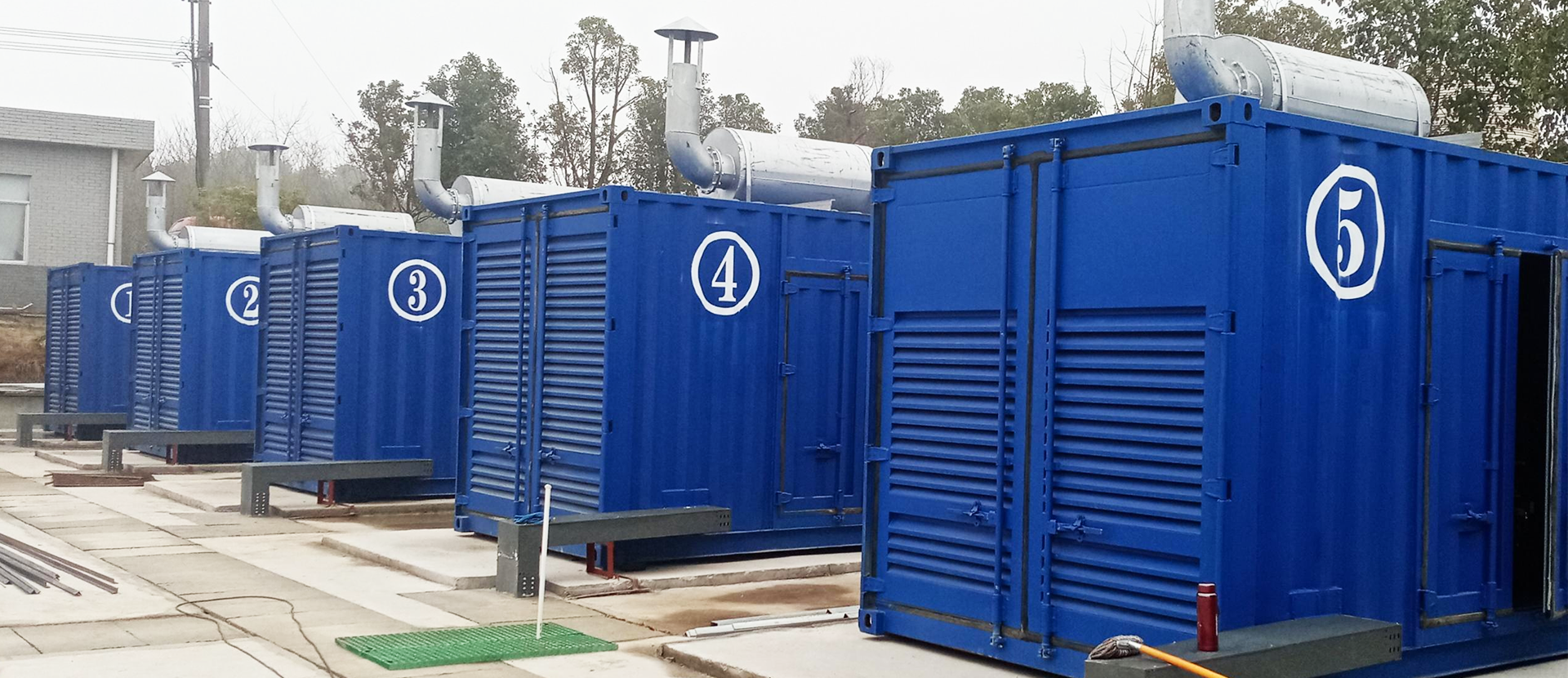
- Architecture: Multiple 10.5kV diesel generator sets (e.g., 2.5MW each) are paralleled and directly connected to the data center's 10kV medium-voltage busbar. This forms a multi-source power supply network alongside 10kV-input UPS systems and the high-voltage utility grid connection.
- Value: Eliminates the need for massive low-voltage switchgear and dense busway systems, reducing losses and increasing system power density. A leading cloud provider's data center in North China adopted this solution, saving 15% on electrical room space and reducing lifecycle costs by 18% compared to the original low-voltage design.
Scenario 2: Heavy Industry and Mining (Mining, Oil & Gas, Metallurgy)
- Challenge: Harsh environments, large load impacts, need to directly drive large high-voltage equipment.
- Solution: Implementation of an integrated "High-Voltage Generation + High-Voltage Distribution + Local Compensation" scheme.
- Architecture: Deployment of high-voltage generator sets with excellent load acceptance capability (typically accepting over 60% step load) and strong harmonic immunity. The generator output is equipped with high-voltage reactive power compensation cabinets to ensure voltage dip during direct starting of large crushers or platform drawworks complies with standards (e.g., ≤15%).
- Value: Ensures continuous operation of critical production equipment during grid instability or off-grid conditions. A large copper mine's self-contained high-voltage power station prevents daily economic losses exceeding tens of millions when the remote grid fails.
Scenario 3: Island/Offshore Facility Integrated Energy Microgrids
- Challenge: Lack of stable main grid, difficulty in fuel supply, need for multi-energy complementarity.
- Solution: Implementation of a hybrid microgrid with "High-Voltage Diesel Generator Sets as the Regulating Core".
- Architecture: High-voltage generator sets, along with submarine cables (if any), large-scale PV plants, and energy storage systems, are coordinated via a Microgrid Central Controller (MGCC). The generator sets typically provide fast-start, stable voltage and frequency support when renewable energy output is insufficient or during peak load periods.
- Value: Maximizes renewable energy utilization, reducing fuel consumption and transportation costs. A microgrid project on an island in the South China Sea, centered on a 10.5kV generator set system, achieved a 45% reduction in diesel consumption and 99.99% power supply reliability.
Chapter 3: Core Technical Elements of High-Voltage Generator Set Solutions
Optimized Matching of Generator and Engine
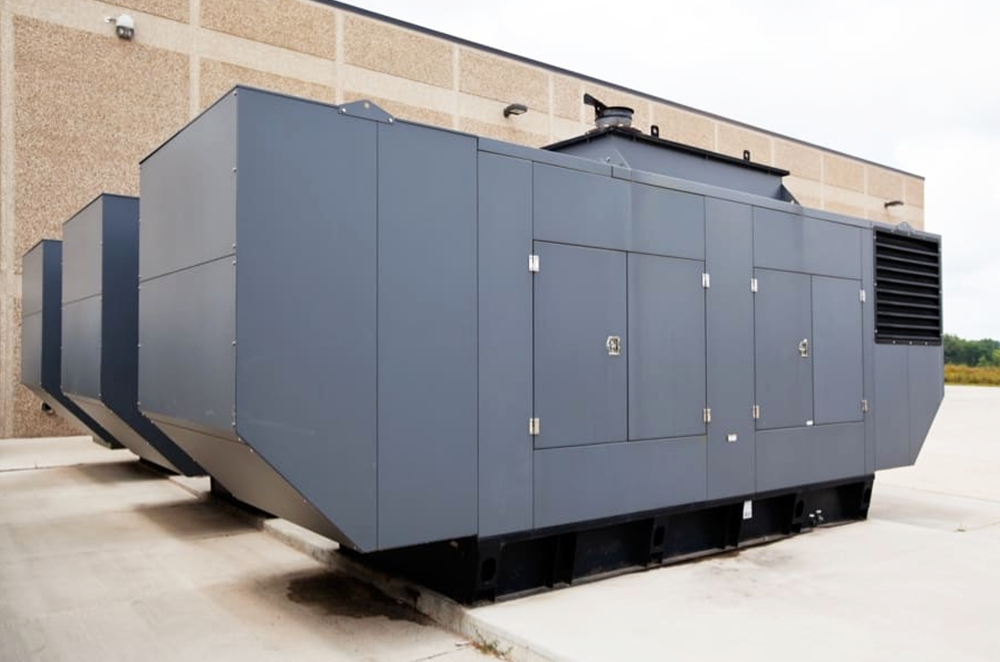
- Generator: Specially designed high-voltage synchronous generators, typically with Class H insulation, equipped with Permanent Magnet Generator (PMG) or brushless excitation systems to ensure good waveform output and dynamic response under non-linear loads.
- Engine: Matched with high-power, highly reliable diesel or gas engines, focusing on aligning low fuel consumption ranges with project typical load factors.
High-Voltage Paralleling and Control System (The Brain)
- Digital Paralleling Controller: Enables precise synchronization (voltage, frequency, phase), load sharing (active/reactive power), and complex logic control among multiple high-voltage units.
- Protection System: Incorporates comprehensive protection relays compliant with high-voltage power system standards, providing complete protection (overcurrent, differential, ground fault, reverse power, undervoltage). Protection coordination with upstream substation systems is essential.
- Smart Grid Interface: Possesses communication capabilities with grid dispatch systems, supporting remote start/stop, power setpoint, and receiving dispatch commands (e.g., AGC), meeting grid code requirements.
Critical Ancillary Systems
- High-Voltage Switchgear: Equipped with vacuum circuit breakers, protective relays, and metering instruments, forming the generator outlet and grid connection points.
- Neutral Grounding Resistor Cabinet: Limits single-phase ground fault current, enhancing system safety.
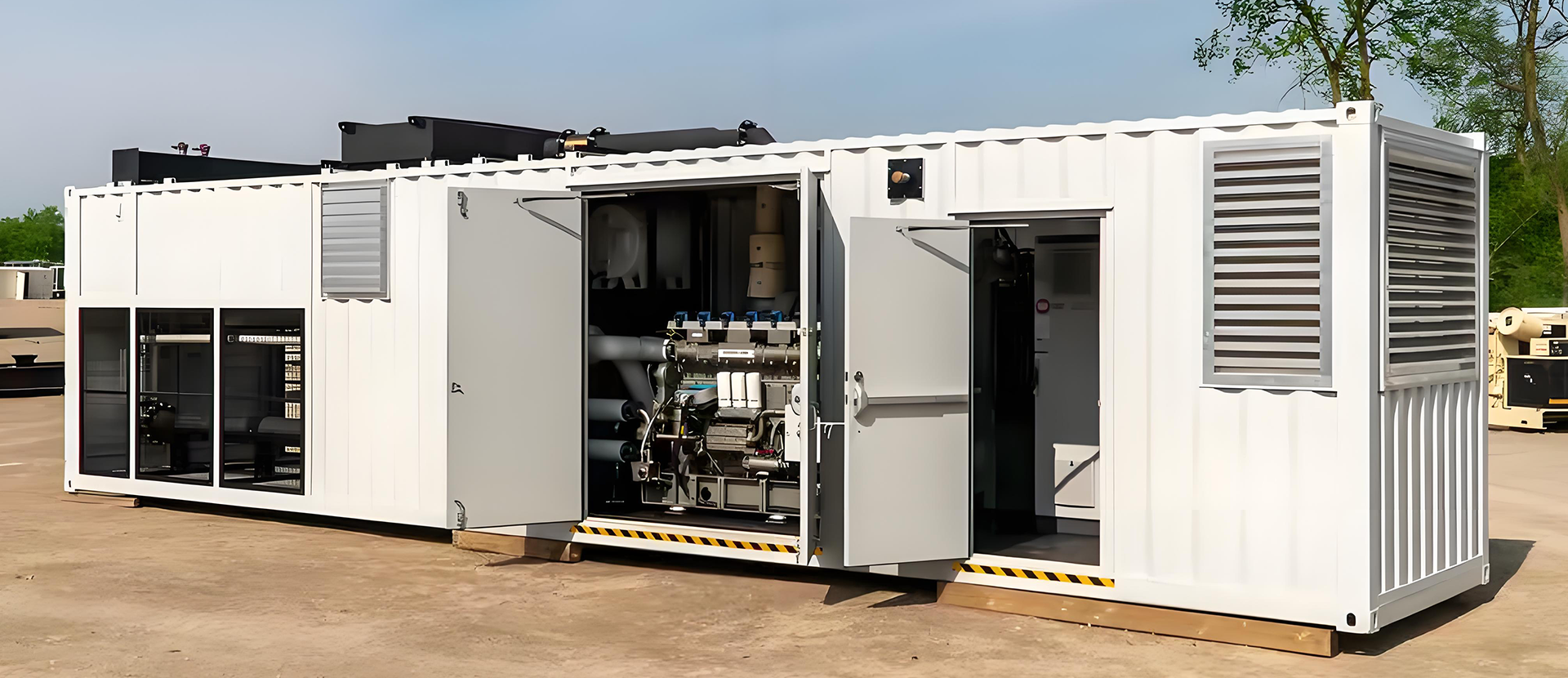
- Enclosure and Auxiliary System Design: Higher requirements for ventilation, cooling, acoustics, and fire protection (typically using gas suppression), necessitating professional Computational Fluid Dynamics (CFD) analysis.
Chapter 4: Implementation Pathway and Key Consideration
Feasibility Study and System Design Phase
- In-Depth Load Analysis: Clarify motor starting sequences, impact load characteristics, harmonic sources.
- Voltage Level Selection: Determine the optimal voltage level based on existing distribution voltage, transmission distance, and future plans.
- System Modeling and Simulation: Use software like ETAP or DigSILENT for load flow studies, short-circuit calculations, motor starting analysis, and protection coordination studies.
- Procurement and Integration Phase
- Choose a "Solution Provider" over an "Equipment Supplier": Prioritize vendors with proven capability in overall high-voltage system design, integration, and commissioning.
- Define Grid Interconnection Technical Requirements: Engage thoroughly with the local utility to ensure protection settings, power quality, and communication protocols are fully compliant.
- Emphasize Factory Acceptance Testing (FAT): Require the supplier to conduct integrated testing of core functions like unit paralleling, simulated load testing, and protection logic before dispatch.
Installation, Commissioning, and Operations & Maintenance (O&M) Phase
- Specialized Installation Team: Must be executed by a qualified electrical contractor certified for high-voltage work.
- Integrated System Commissioning: Includes comprehensive testing of generator sets, switchgear, protection systems, and synchronization tests with the main grid.
- Intelligent O&M: Establish a cloud-based health management system for the high-voltage power plant, enabling condition monitoring, fault prediction, performance analysis, and preventive maintenance.
Chapter 5: Future Outlook: Intelligent and Low-Carbon Evolution of High-Voltage Generator Sets
- Integration with Hydrogen Energy: High-voltage hydrogen internal combustion generator sets or high-voltage hydrogen fuel cell systems will become a significant direction for zero-carbon backup power.
- AI-Driven Efficiency Optimization: Utilize machine learning algorithms to dynamically optimize the operational combination and load distribution of multiple high-voltage generator sets based on historical load patterns, weather forecasts, and fuel prices.
- Agile Resource for Virtual Power Plants (VPPs): Through advanced control systems, enable clusters of high-voltage generators to respond rapidly and precisely to grid ancillary service demands like frequency regulation and peak shaving, transforming from a cost center to a potential revenue center.
Conclusion: Value Transformation from Cost Burden to Strategic Asset
High-voltage generator set solutions have transcended the scope of traditional backup power, evolving into core energy nodes supporting modern infrastructure with high energy demands and reliability requirements. Through system-level optimized design, they not only address the economic and physical bottlenecks of high-power electricity transmission but also provide a strategic foundation for enterprise energy resilience, efficiency management, and future participation in electricity markets via their seamless interface capability with high-voltage grids.
Faced with the dual challenges of growing centralized power demand and sustainable development, opting for a high-voltage generation solution represents a forward-looking investment in transforming passive power security into an active energy strategy. It marks a profound shift in power supply models from "low-voltage, small-capacity, decentralized" to "high-voltage, large-capacity, integrated," constituting an inevitable choice for building a secure, efficient, and green modern energy system.