1. Analysis of Noise Sources in Generator Sets
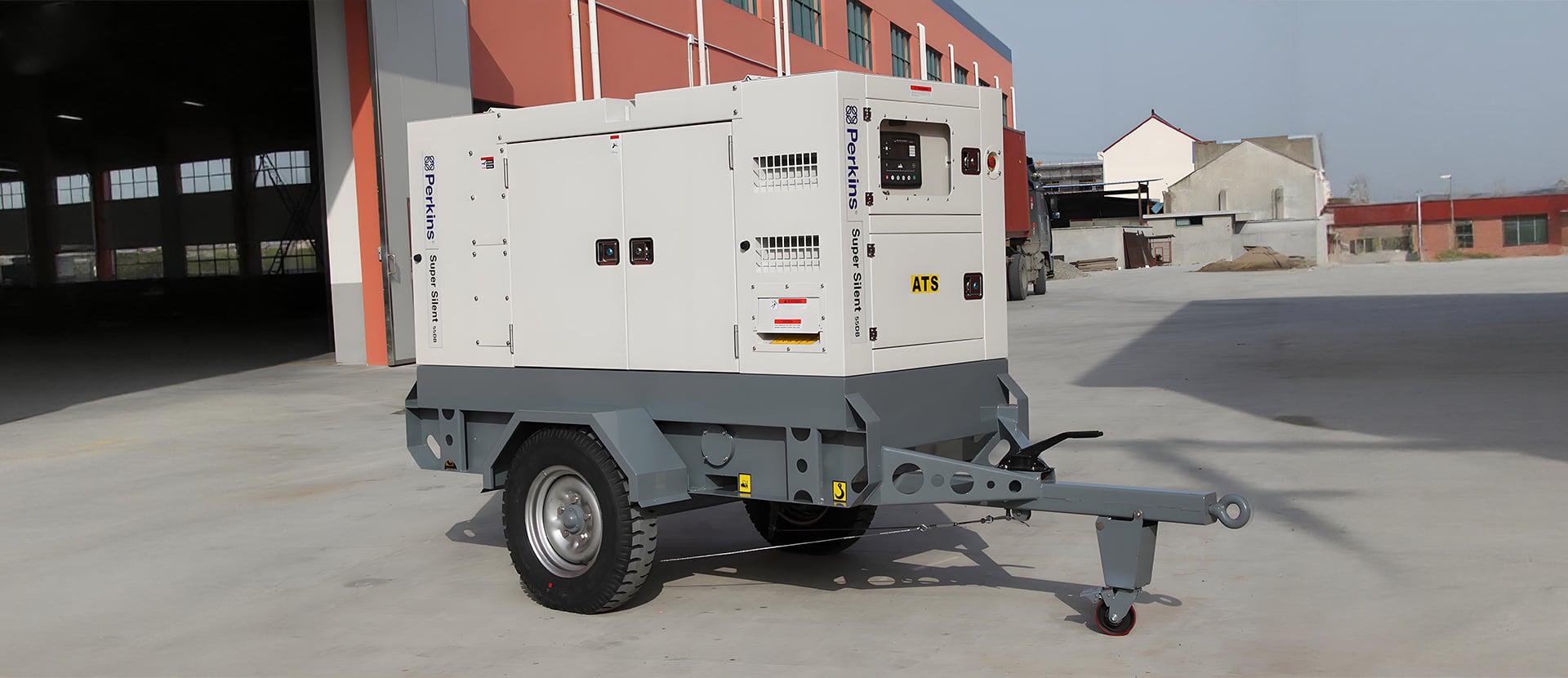
Noise from generator sets primarily includes the following categories:
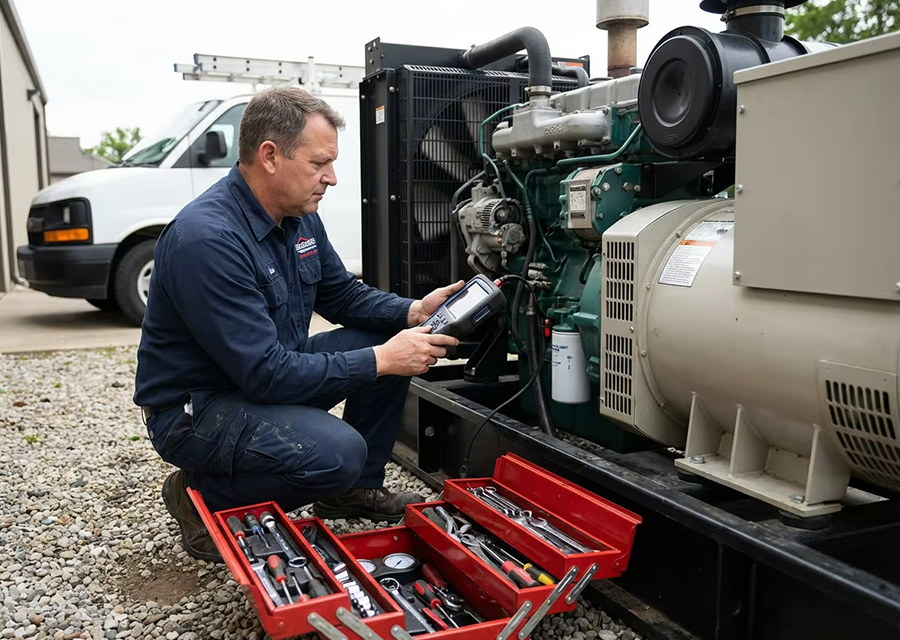
- Mechanical Noise: Generated by friction and impact from mechanical components such as engine piston movement, valve mechanisms, and gear transmission.
- Combustion Noise: Caused by pressure fluctuations during fuel combustion.
- Intake and Exhaust Noise: Produced by air filters, intake pipes, exhaust pipes, and mufflers.
- Cooling System Noise: Generated by rotating components like fans and water pumps.
- Generator Noise: Resulting from electromagnetic vibrations and cooling fans.
- Structural Vibration Transmission: Vibration transmitted from the unit to the building structure through the base and connecting pipelines.

2. Noise Transmission Pathways
2.1 Airborne Noise Transmission
Direct radiation through doors, windows, ventilation openings, and gaps in the generator room.
Radiation through vibrations of building components such as walls and roofs.
2.2 Structure-Borne Noise Transmission
Transmission through the unit base to the building foundation.
Transmission through rigid connections such as pipelines and cable trays.
3. Comprehensive Noise Reduction Solutions
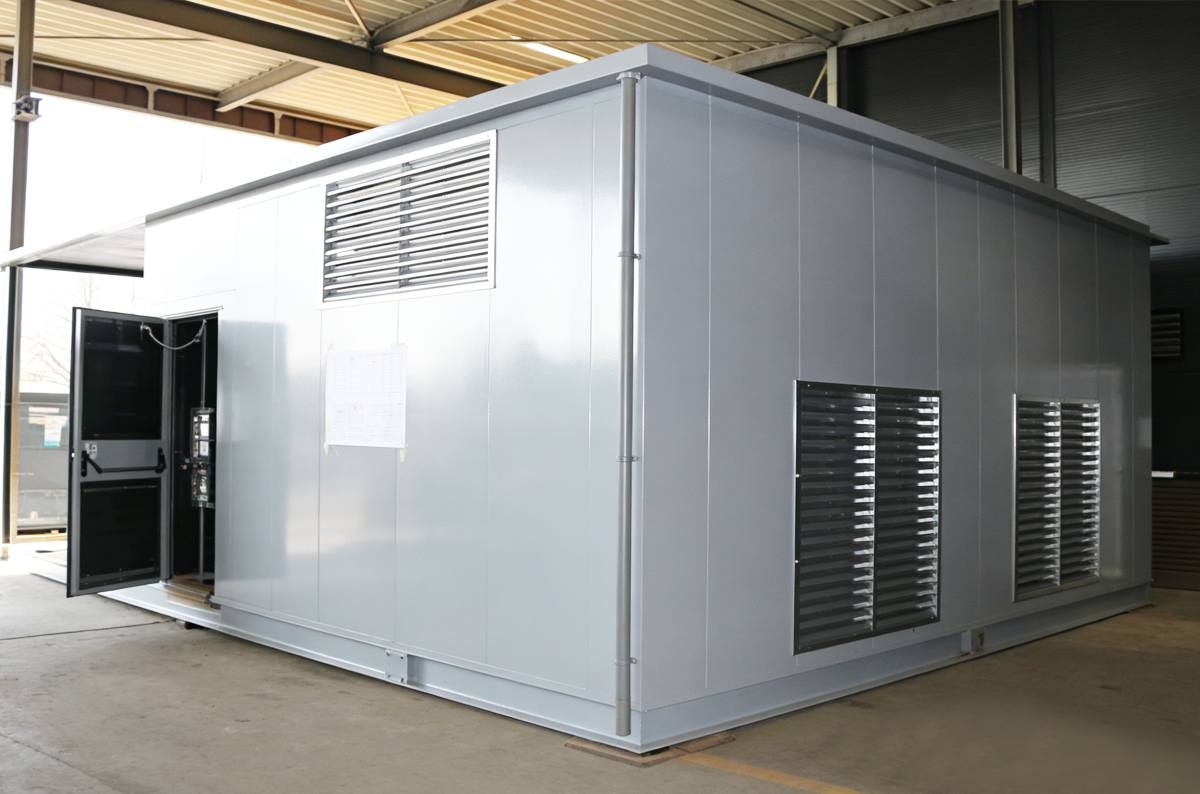
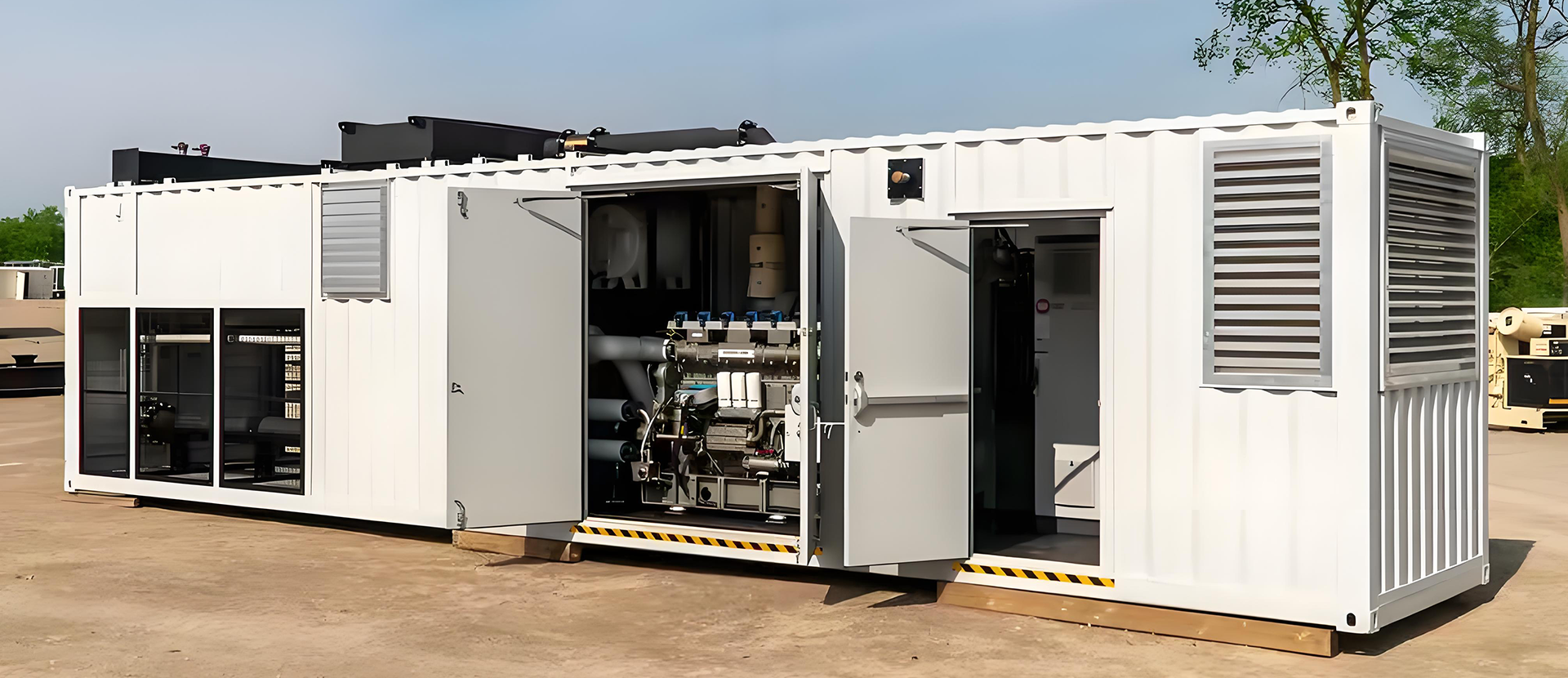
3.1 Soundproofing Design for Generator Rooms
- Wall Soundproofing: Use double-layer wall structures filled with sound-absorbing materials (e.g., rock wool, fiberglass).
- Soundproof Door Design: Employ professional soundproof doors (sound insulation ≥35 dB) with sealing strips and automatic door closers.
- Soundproof Window Design: Use double or triple glazing with elastic seals between the window frame and the wall.
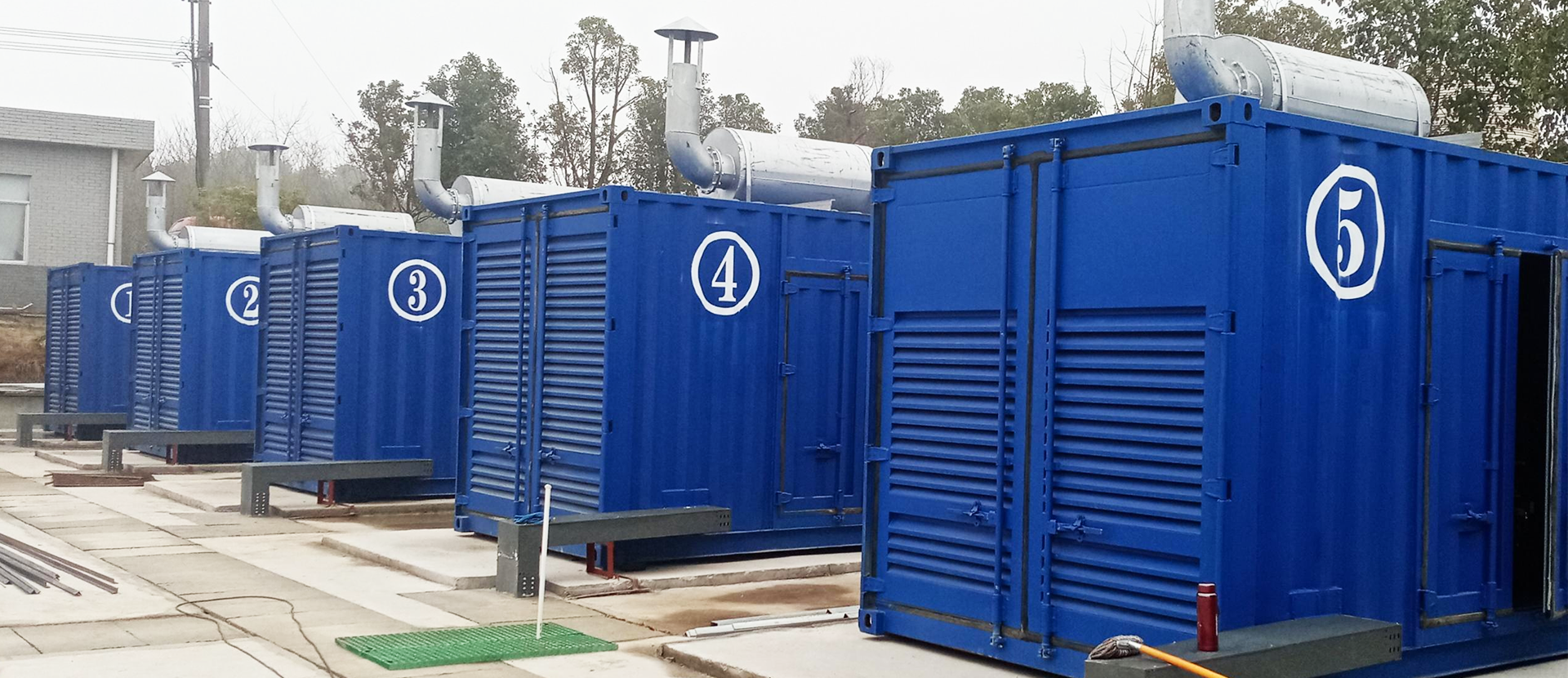
- Ventilation and Sound Attenuation Channels: Install intake and exhaust silencers to ensure ventilation while reducing noise leakage.
- Floating Floors: Minimize structural vibration transmission.
3.2 Acoustic Treatment
- Wall Sound Absorption: Install sound-absorbing panels or structures, particularly in areas with concentrated noise reflection.
- Ceiling Sound Absorption: Use sound-absorbing ceilings to reduce indoor reverberation.
- Space Sound Absorbers: Hang sound absorbers in the generator room to enhance sound absorption.
3.3 Unit-Specific Noise Reduction Measures
- Exhaust Silencers: Install high-efficiency reactive or impedance-composite silencers.
- Intake Noise Reduction: Install silencers in the intake pipeline.
- Unit Vibration Isolation: Use high-efficiency vibration isolators (e.g., spring dampers, rubber vibration pads).
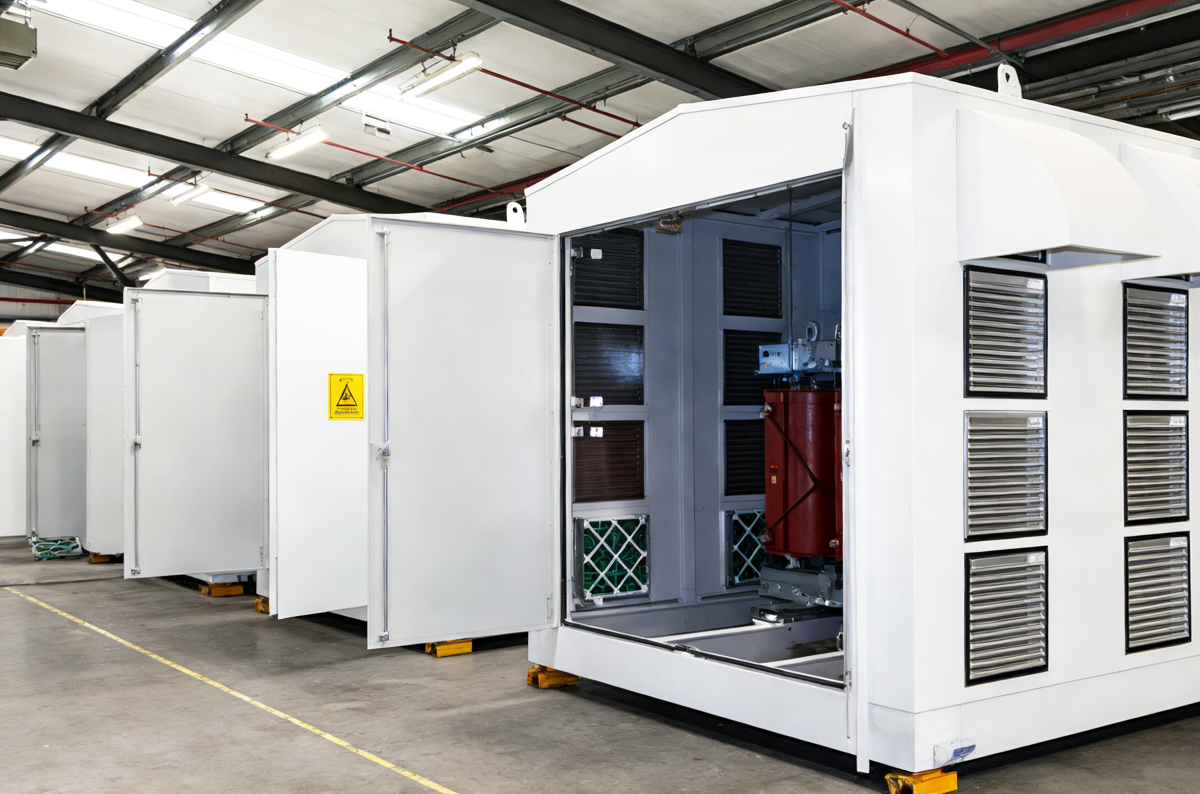
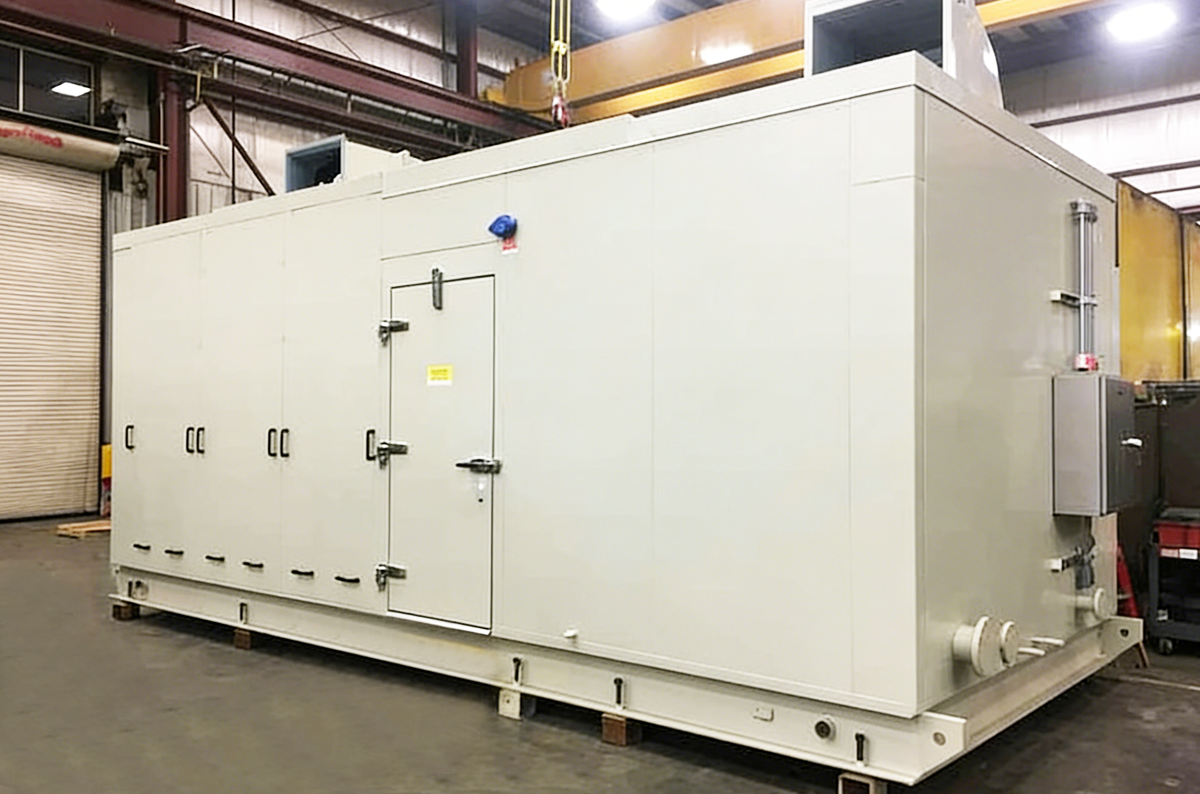
- Local Acoustic Enclosures: Add acoustic enclosures to particularly noisy components.
3.4 Pipeline System Noise Reduction
- Flexible Connections: Use flexible joints at all connections between pipelines and the unit.
- Pipeline Wrapping: Apply soundproof wrapping to pipelines.
- Bracket Vibration Isolation: Use elastic supports for pipeline brackets.
3.5 Ventilation and Cooling System Noise Reduction
- Low-Noise Fans: Select low-noise, high-efficiency fans.
- Sound-Attentuating Ducts: Install sound-attenuating devices inside ducts.
- Wind Speed Control: Design duct cross-sections appropriately to control wind speed (≤8 m/s).
3.6 Intelligent Control Systems
- Remote Monitoring: Reduce the frequency of personnel entering the generator room.
- Operational Optimization: Optimize operational parameters to minimize noise generation.

4. Implementation Steps and Precautions
Implementation Steps:
- Noise Testing and Assessment: Measure existing noise levels and spectral characteristics.
- Solution Design: Develop targeted solutions based on goals and budgets.
- Material Selection: Choose materials that meet fireproofing, corrosion resistance, and durability requirements.
- Professional Construction: Ensure construction quality, with special attention to sealing.
- Effect Verification: Conduct noise testing after completion to verify noise reduction effectiveness.
5.Precautions:
- Ensure noise reduction measures do not compromise the unit’s ventilation and cooling requirements.
- All materials must comply with fire safety standards.
- Maintain necessary access for inspection and maintenance.
- Consider the convenience of long-term operation and maintenance.
- Adhere to local environmental regulations and building codes.
6. Conclusion
Noise reduction in generator set rooms is a systematic engineering task that requires comprehensive consideration of noise sources, transmission pathways, and receiving points. Through scientifically sound solution design and professional implementation, it is entirely feasible to control generator set noise within environmental standards, achieving a balance between economic and environmental benefits. With the continuous development of new materials and technologies, noise reduction solutions for generator sets will become more efficient and economical, providing robust support for creating a quiet and harmonious environment.