
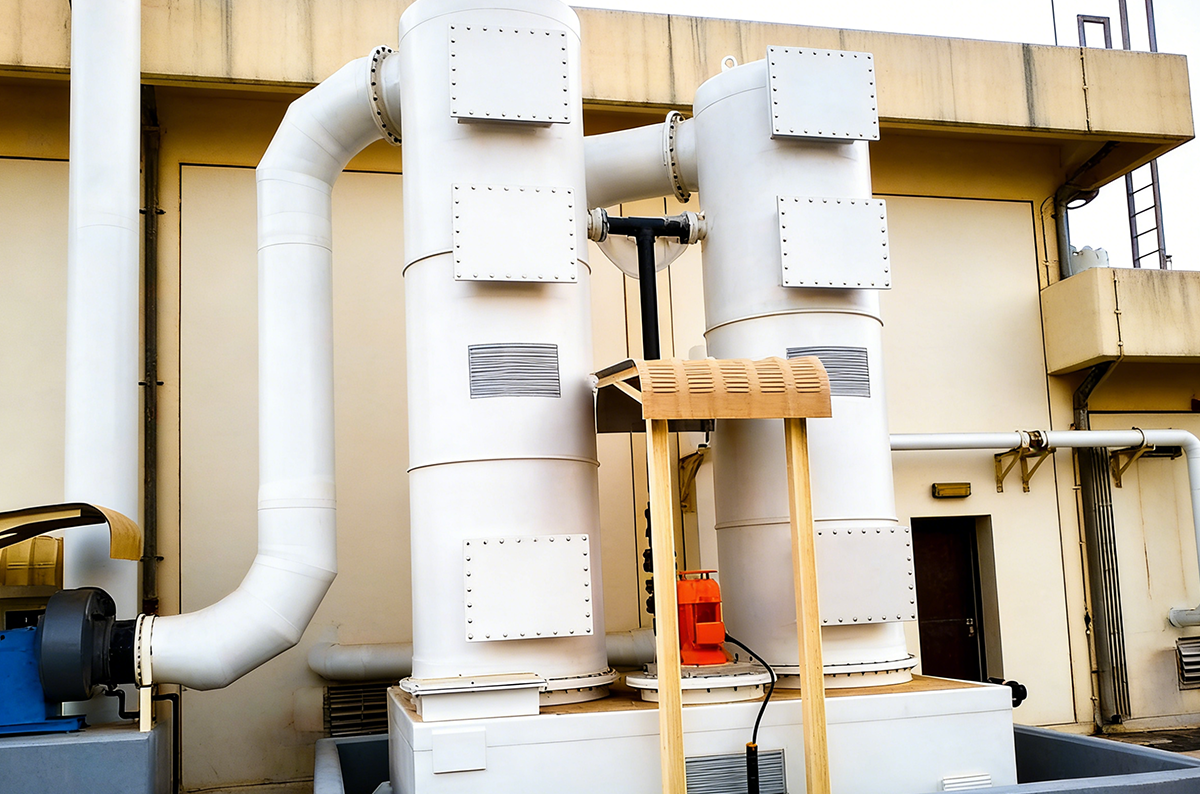
Generator exhaust gas purification refers to the systematic engineering process of removing or converting harmful substances from the exhaust emitted during the operation of internal combustion generators, such as those powered by diesel or natural gas, through a series of physical or chemical technologies. This is done in order to comply with environmental regulations, improve air quality, and reduce health hazards.
Power generator exhaust has a complex composition, with the main challenges being:
NOx: A product of high-temperature, oxygen-rich combustion, it is a primary precursor to photochemical smog and acid rain, harming health and the environment.
Particulate Matter (PM/Black Smoke): Consists of incompletely burned carbon particles, sulfates, etc., which can penetrate deep into the lungs and pose a high carcinogenic risk.
HC and CO: Products of incomplete fuel combustion, possessing toxicity and photochemical activity.
Variable Operating Conditions: Frequent load fluctuations in generators lead to significant changes in exhaust temperature, flow rate, and pollutant concentrations, placing high demands on the adaptability and durability of the purification system.
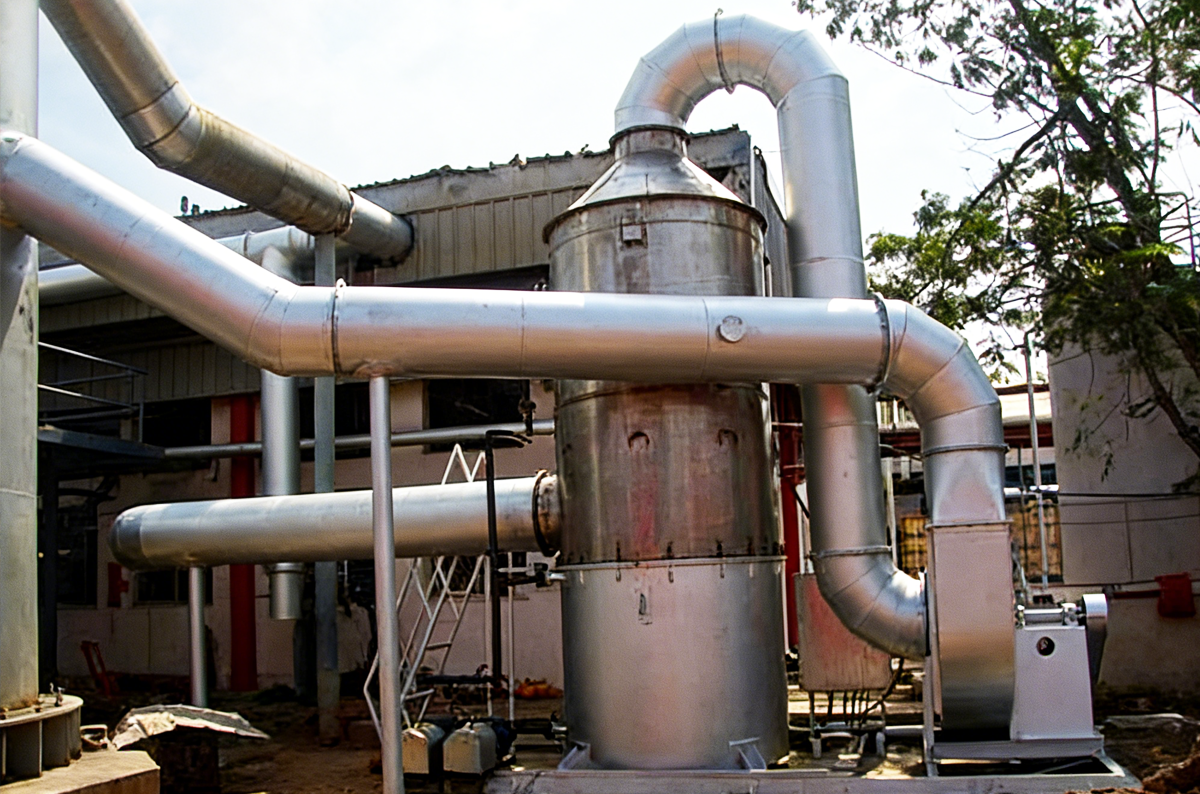
Modern exhaust purification has evolved from single technologies to multi-technology collaborative "aftertreatment systems." Core solutions include:
1. Mechanical Pre-treatment: Diesel Oxidation Catalyst (DOC)
Principle: Under the action of a catalyst, oxidizes most HC, CO, and soluble organic fractions (SOF) in the exhaust into harmless CO₂ and H₂O, while also oxidizing some NO into NO₂, creating favorable conditions for subsequent DPF regeneration.
Characteristics: Relatively simple structure; acts as the "outpost" of the aftertreatment system; effectively reduces HC and CO and increases exhaust temperature.
2. The Core of Particulate Trapping: Diesel Particulate Filter (DPF)
Principle: Uses wall-flow filters such as honeycomb ceramics or metal fibers to physically trap soot particles (PM) from the exhaust. The trapped particulate matter needs to be periodically burned off through a "regeneration" process.
Regeneration Methods:
Key Point: The regeneration control strategy is the core of DPF technology success and must be precisely matched to the generator's operating conditions.
3. The Main Force for NOx Reduction: Selective Catalytic Reduction (SCR) System
Principle: Injects a urea-water solution (AdBlue, hydrolyzing into ammonia gas, NH₃) into the exhaust stream. On the SCR catalyst, NH₃ selectively reacts with NOx to form harmless nitrogen gas (N₂) and water (H₂O).
Characteristics: Extremely high NOx purification efficiency (can exceed 90%), making it an indispensable technology for meeting the strictest emission standards (such as China VI, EU Stage V). However, it requires a urea supply system, precise injection control, and adequate exhaust temperature.
4. Integrated Compact Solution: Simultaneous Particulate and NOx Purification (SCR-DPF/ASC)
Principle:
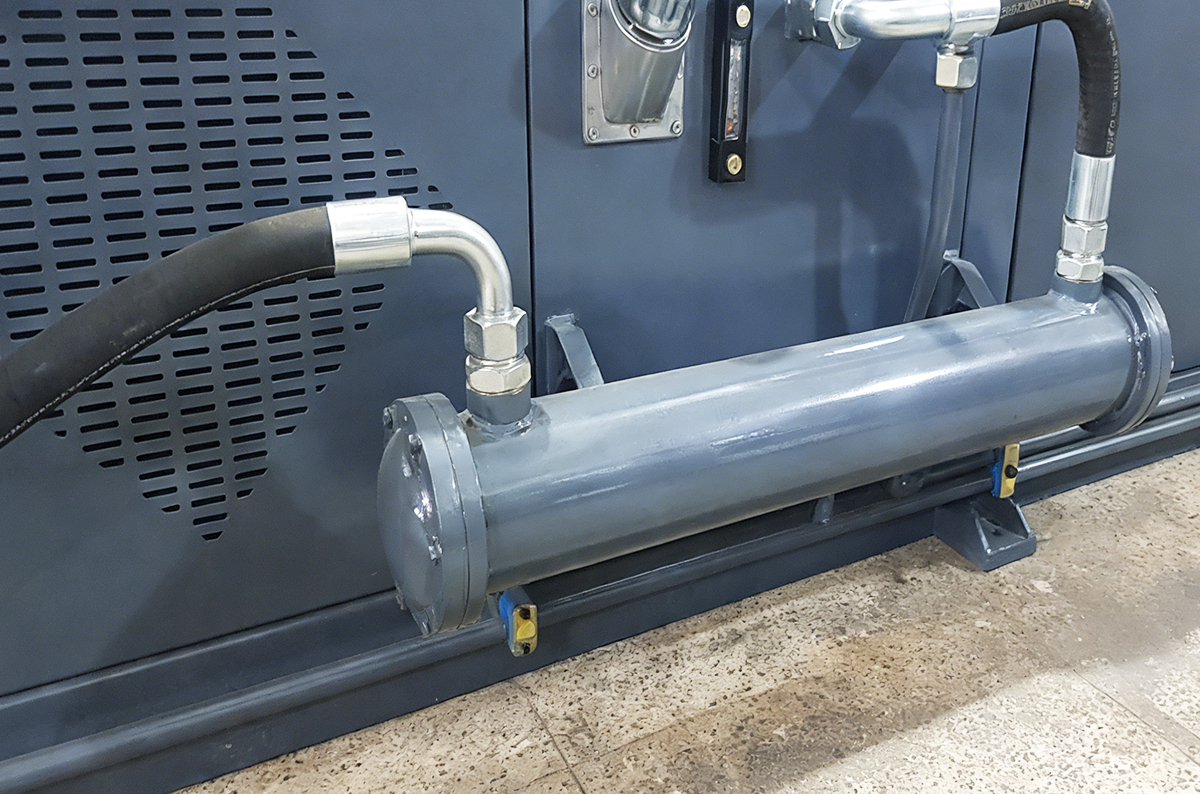
An efficient and reliable purification system is far more than a simple assembly of devices; it requires systematic engineering design:
1. Customized System Integration
Based on the specific generator model, typical load factor, fuel sulfur content, target emission standards, and installation space, scientifically select and sequentially arrange units such as DOC, DPF, SCR, and ASC. Design optimized exhaust piping and insulation to ensure each unit operates within its optimal temperature window.
2. Intelligent Control and Monitoring
The core is the Electronic Control Unit (ECU), which monitors real-time parameters such as exhaust temperature, pressure differential, and NOx concentration. It precisely controls urea injection volume and DPF active regeneration start/stop, achieving an optimal balance between purification efficiency, fuel economy, and system safety. Equipping it with a remote monitoring system enables fault prediction and intelligent management.
3. Fuel and Urea Quality Management
Using low-sulfur diesel is a prerequisite for protecting all aftertreatment devices (especially catalysts). Ensuring urea solution (AdBlue) meets standards (e.g., ISO 22241) avoids clogging or catalyst poisoning from impurities.
4. Full Lifecycle Maintenance
Establish a regular maintenance plan: clean or replace air filters, inspect catalyst and DPF condition, clean urea injector nozzles, and use specialized equipment for DPF ash cleaning. Proper maintenance is key to ensuring long-term effective system operation.
Technology Integration and Intelligence: Deep integration of the aftertreatment system with the engine's core control (in-cylinder purification + aftertreatment synergy), combined with big data and AI algorithms, enables more precise predictive maintenance and emission control.
Adapting to Low-Carbon/Zero-Carbon Fuels: As biofuels, synthetic fuels, and even hydrogen fuels are explored for power generation, purification technologies need to adapt to new exhaust compositions.
Material Innovation: Developing catalysts with better low-temperature activity, sulfur resistance, and anti-aging capabilities, as well as filter materials with longer service life and higher regeneration efficiency.
Improving Total System Energy Efficiency: Optimizing the backpressure of the aftertreatment system to minimize its impact on engine power and fuel consumption, while exploring energy-saving technologies such as waste heat recovery for power generation (cogeneration).
From the billowing smoke of the past to today's clean emissions, power generator exhaust purification technology has matured into an efficient technological pathway. Facing the era of "dual-carbon" goals and the battle for blue skies, choosing and implementing a scientific, complete, and reliable exhaust purification solution is no longer an "option" but a "mandatory task" for power suppliers to ensure stable operation, regulatory compliance, and a contribution to a greener future. It is not merely a technological upgrade but a profound practice of environmental responsibility and developmental wisdom. Through continuous technological innovation and meticulous system management, we are fully capable of ensuring that the generation of every kilowatt-hour of electricity is cleaner, more efficient, and more responsible.
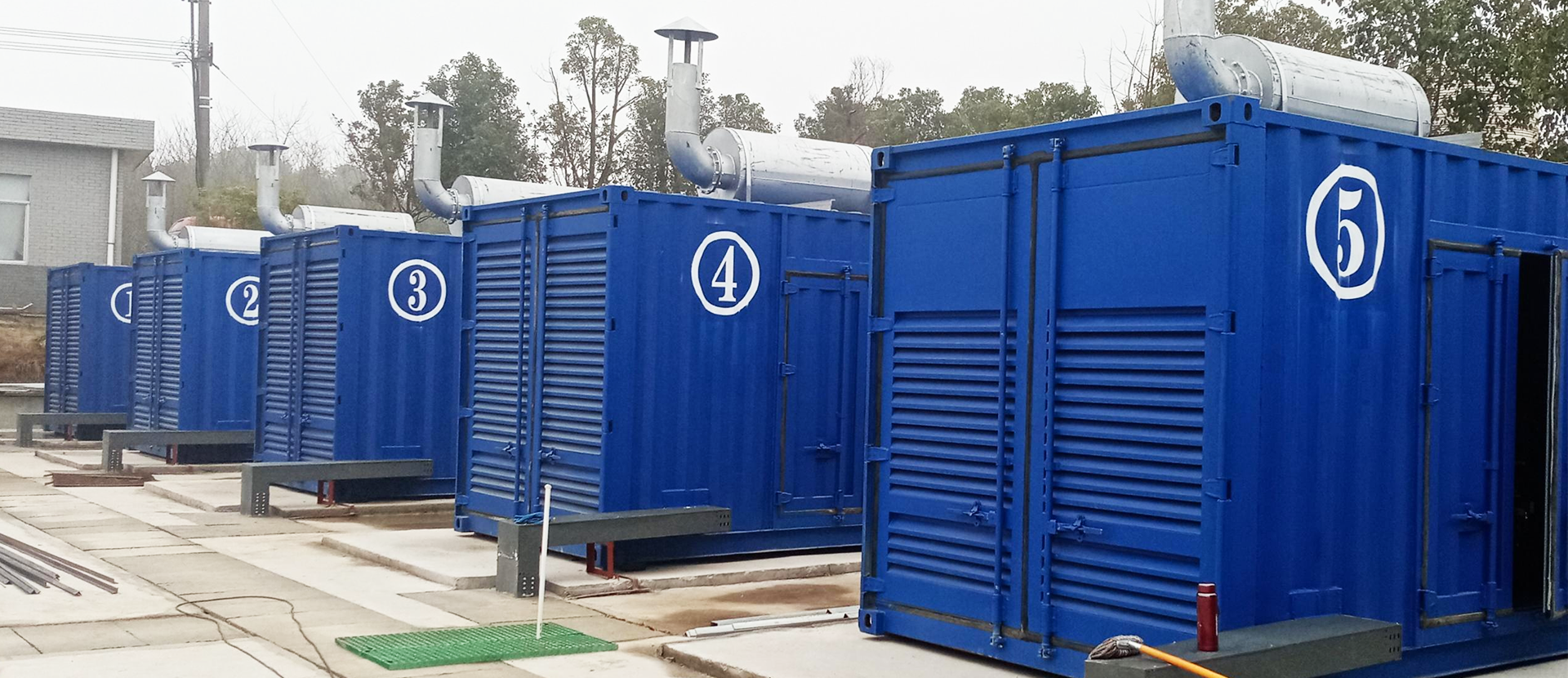
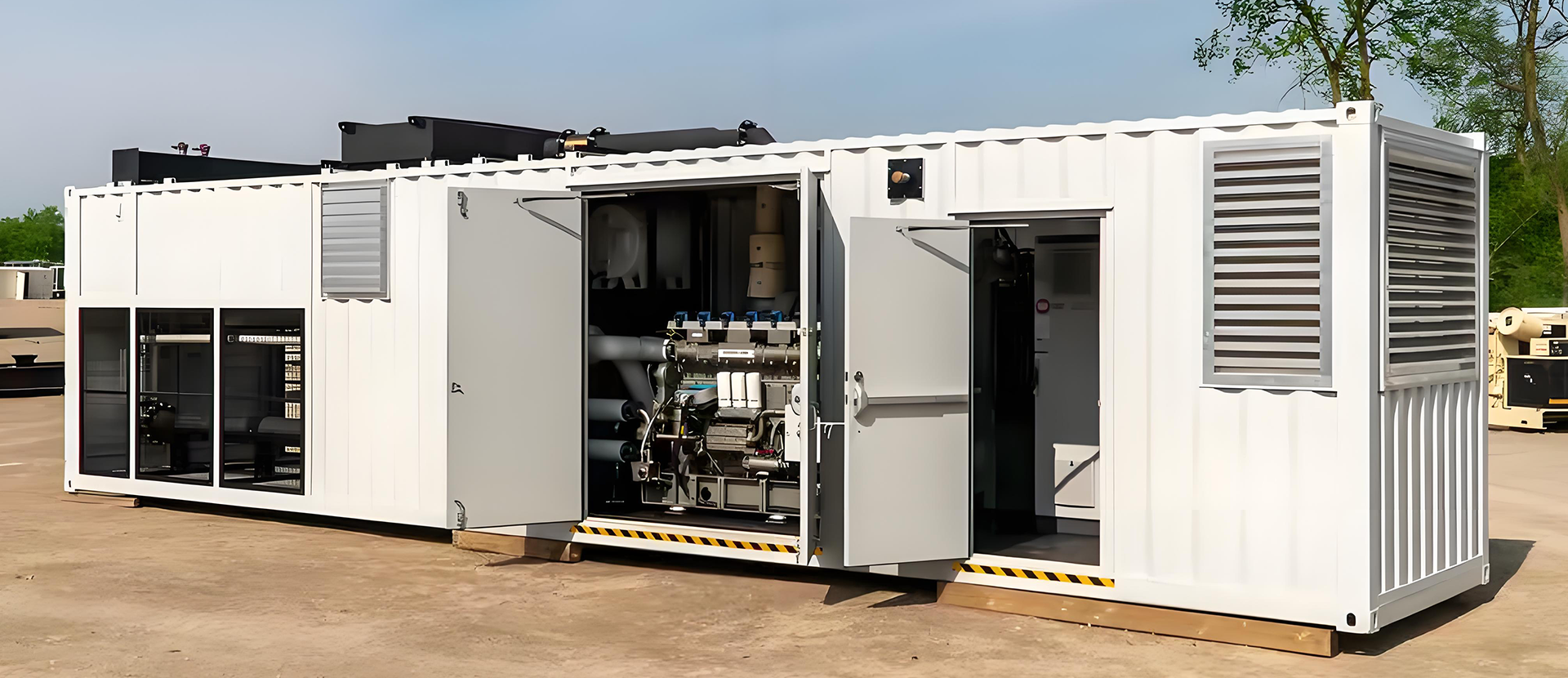
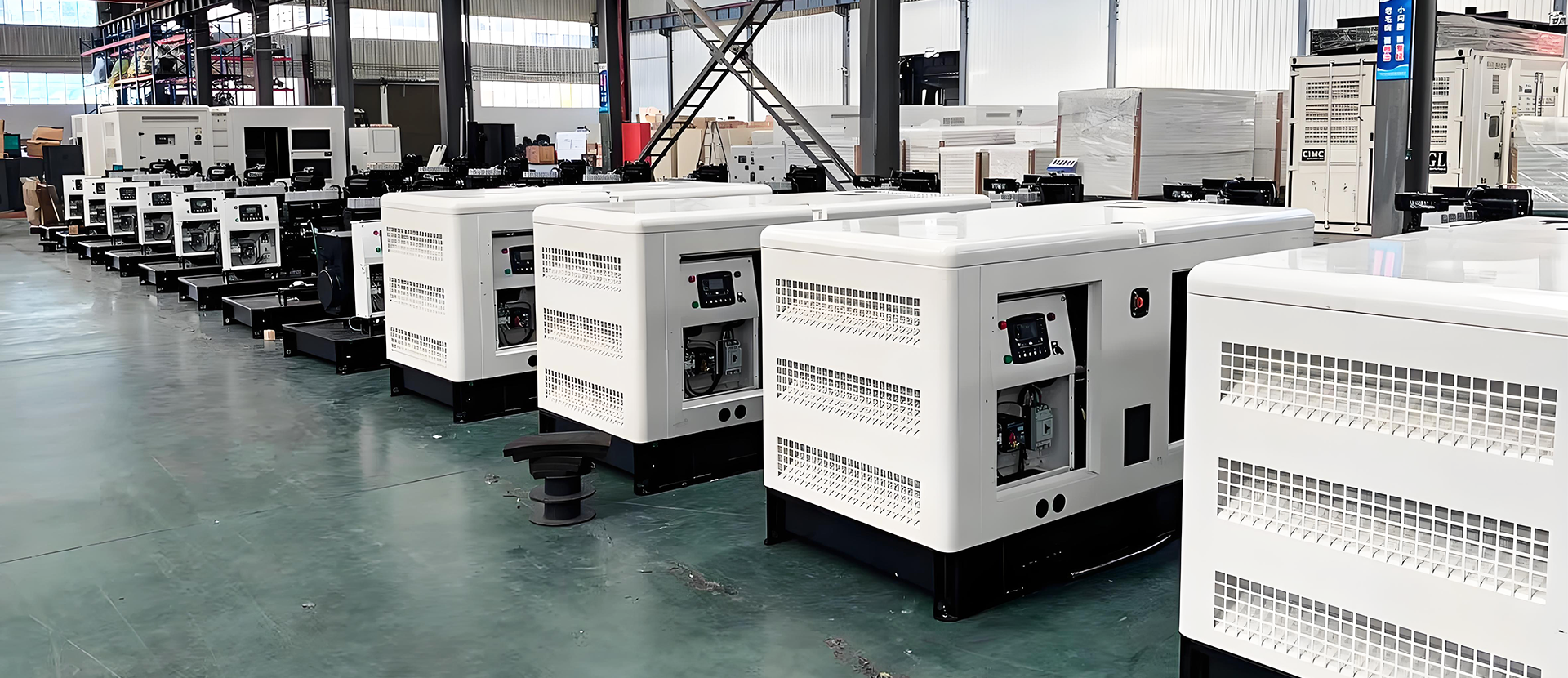
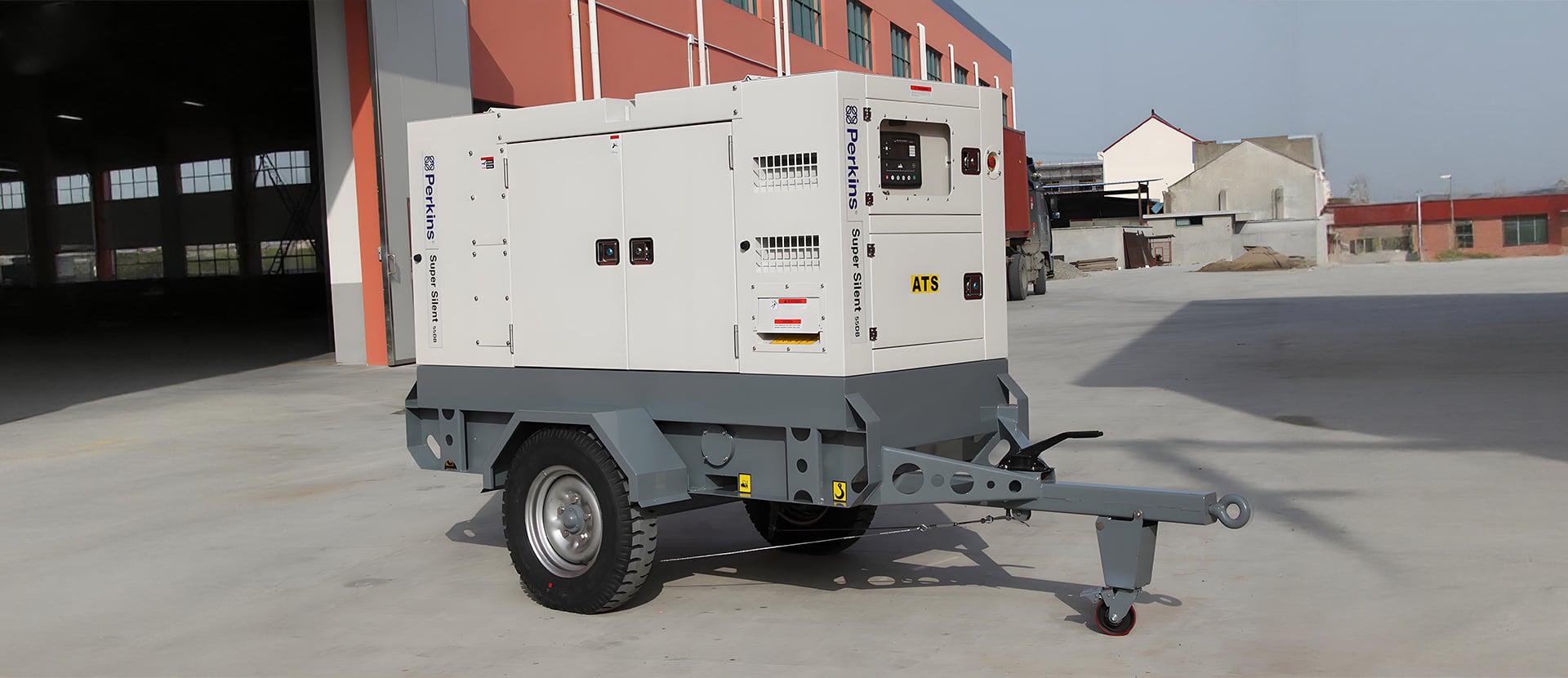
Tailored generator soluitions: reliable, efficient power for industrial, commercial & project need.

Our dedicated support team is available around the clock, providing instant technical assistance and responsive communication across all time zones to keep your power systems running without interruption.
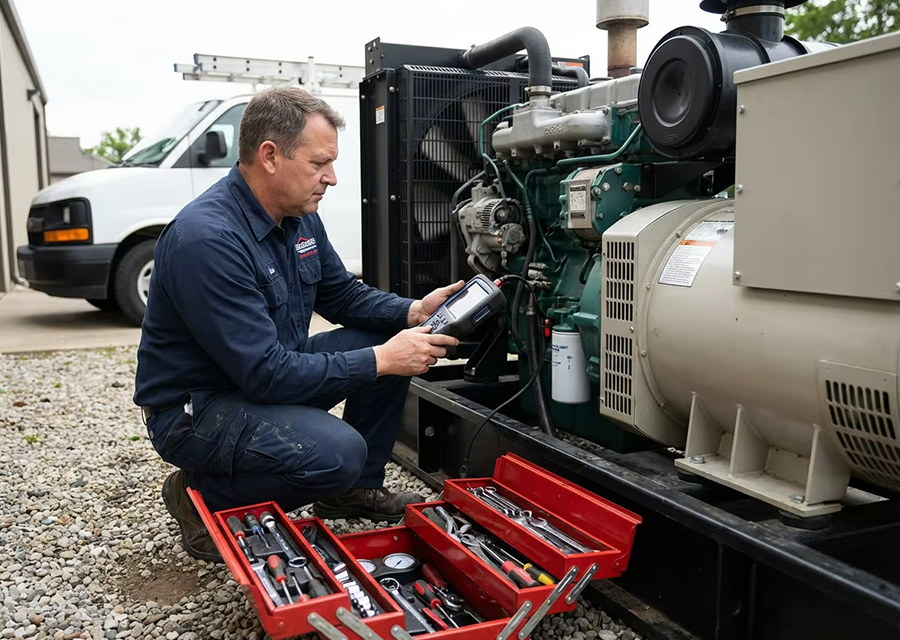
Our experienced engineers provide professional on-site installation, commissioning, and maintenance services, ensuring your generator systems run at peak performance wherever you are in Southeast Asia and South China.











Copyright © 2026 by Guangdong Minlong Electrical Equipment Co., Ltd. Privacy Policy