
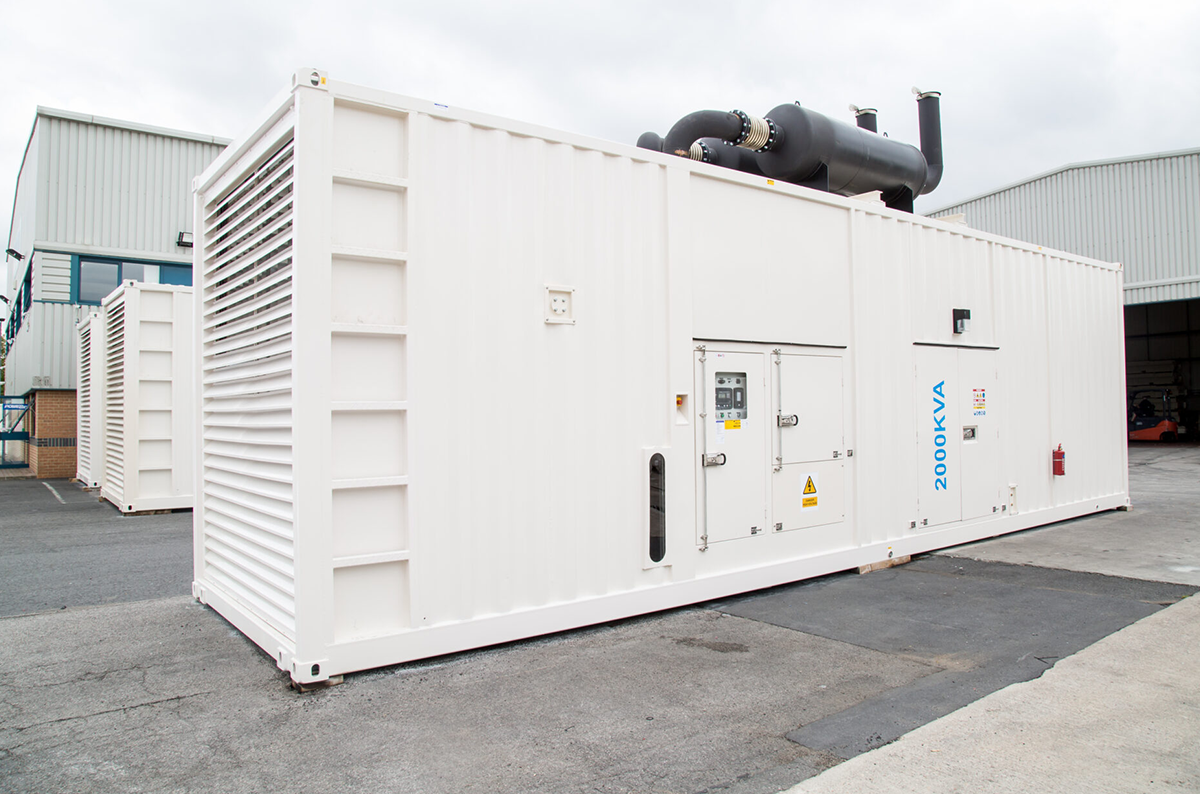
Data center generators are not ordinary backup power sources but rather a highly reliable, high-capacity, and fully automated lifeline system. Their core mission is to ensure 100% uninterrupted operation of IT loads during a complete utility power outage.
1.1 The Critical Anchor in a Multi-Layered Defense System
Modern data centers employ a defense-in-depth power strategy:
1.2 Special Requirements of Data Centers for Generator Sets
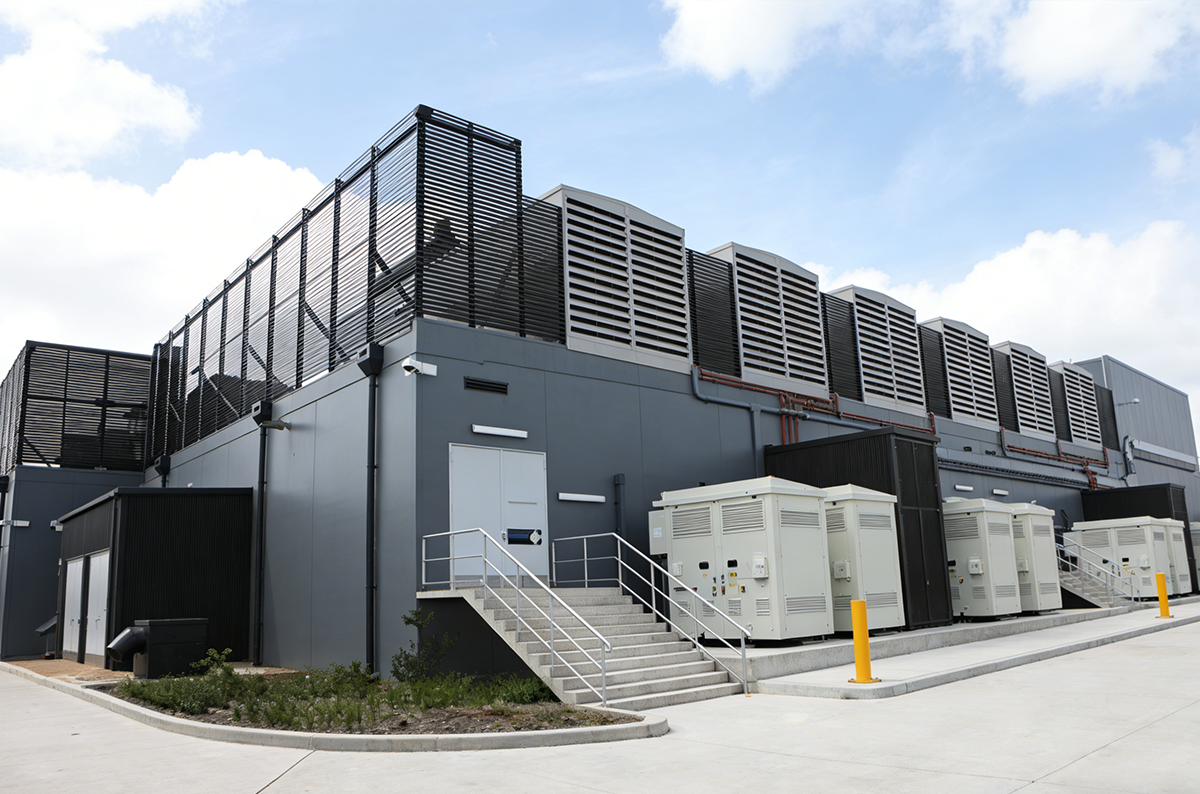
2.1 Fuel System Design Innovations
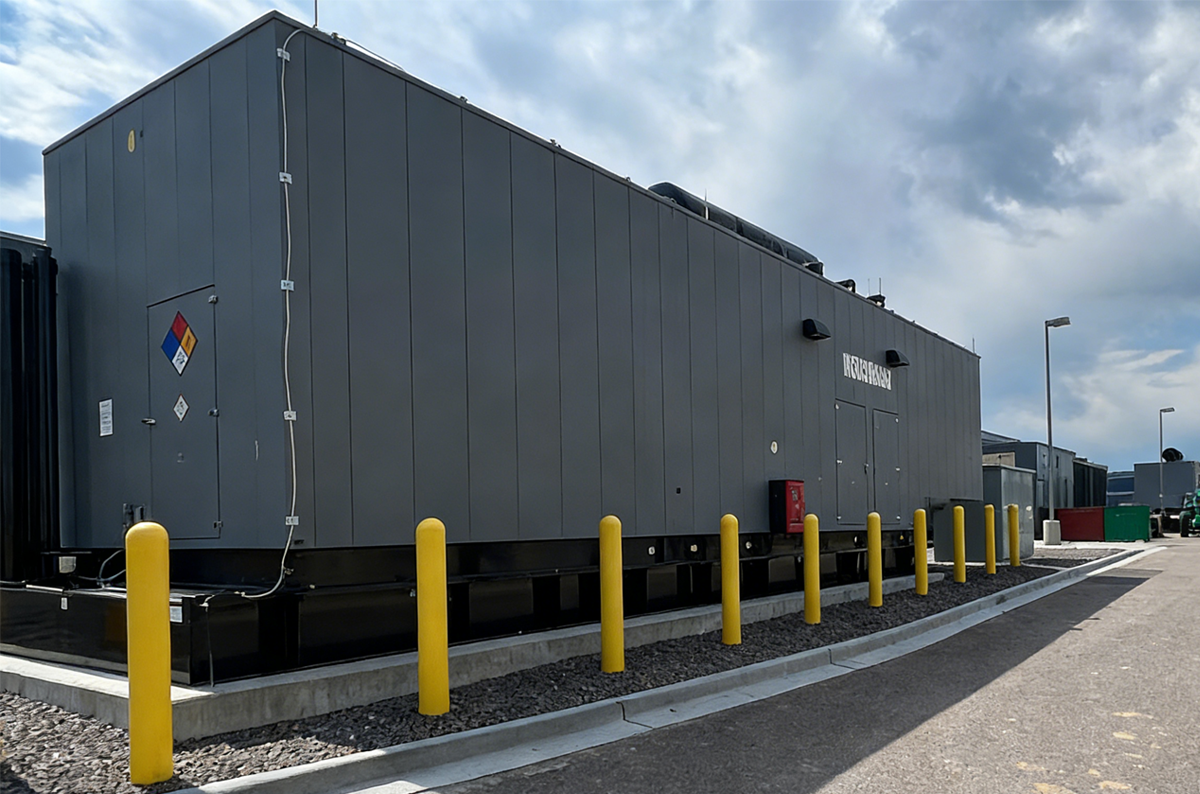
3.1 Millisecond-Level Transfer Technology
The gap between traditional generator startup (60+ seconds) and modern data center requirements is addressed by:
3.2 Intelligent Control System Integration
Actual System Functions:
3.3 Cooling and Space Optimization
Data centers often reside in high-value urban areas with extreme space costs:
4.1 Reliability Verification System
Four-Level Testing System Ensures Reliability:
4.2 Total Cost of Ownership (TCO) Analysis
Example for a 10MW Tier III data center:
(Table summarizing costs for N+1 vs. 2N architecture over 10 years, showing higher initial CapEx for 2N but significantly lower risk cost, with payback often achieved by avoiding 1-2 major outages.)
5.1 Green Transition Pathways
5.2 Intelligent O&M Revolution
5.3 Modularization and Prefabrication
Phase 1: Needs Analysis & Planning (1-2 months)
Determine availability targets, calculate true load demand, assess site conditions.
Phase 2: Solution Design & Selection (2-3 months)
Choose architecture, define key technical specs, conduct preliminary economic analysis.
Phase 3: Implementation & Validation (4-8 months)
Equipment procurement & factory testing, on-site installation & integration, layered testing, O&M team training.
Phase 4: Continuous Optimization
Establish performance baselines, implement predictive maintenance.
The evolution of data center generator set solutions mirrors the digital age's pursuit of power continuity. They have transformed from simple "insurance devices" into critical infrastructure supporting the digital lifeline of the global economy.
Looking ahead, with explosive compute demand driven by 5G, IoT, and AI, data center power needs will soar. Simultaneously, carbon neutrality goals and frequent extreme weather events present dual challenges of greening and resilience.
Forward-looking data center power solutions must balance a triple objective: Ultimate Reliability for business continuityl, and Green Attributes for environmental responsibility. This requires comprehensive innovation in generation technology, control algorithms, system integration, and management philosophy.
Investing in advanced generator set solutions is, in essence, purchasing the most reliable insurance for a data center's "digital heartbeat." In an era where digitization permeates every corner of the economy and society, this investment protects not just servers and equipment, but also corporate reputation, customer trust, and the normal functioning of society—a value far exceeding simple financial models.
Ultimately, the best data center power solutions are those that, over decades of service, are always present yet almost never noticed. They stand guard silently in the corners of data centers, announcing their presence only in the most critical moments before returning to silence—this is the highest achievement infrastructure: providing protection to ensure the eternal light of the digital world.
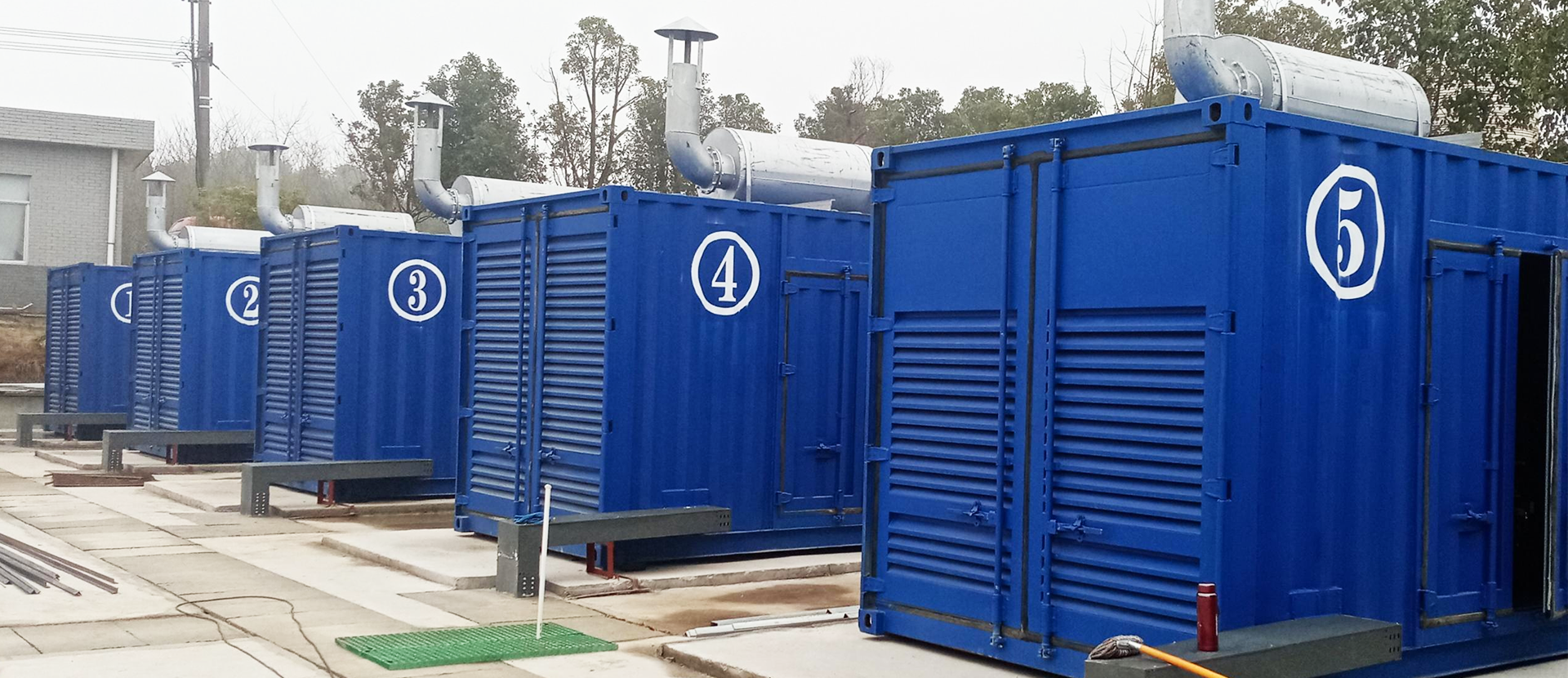
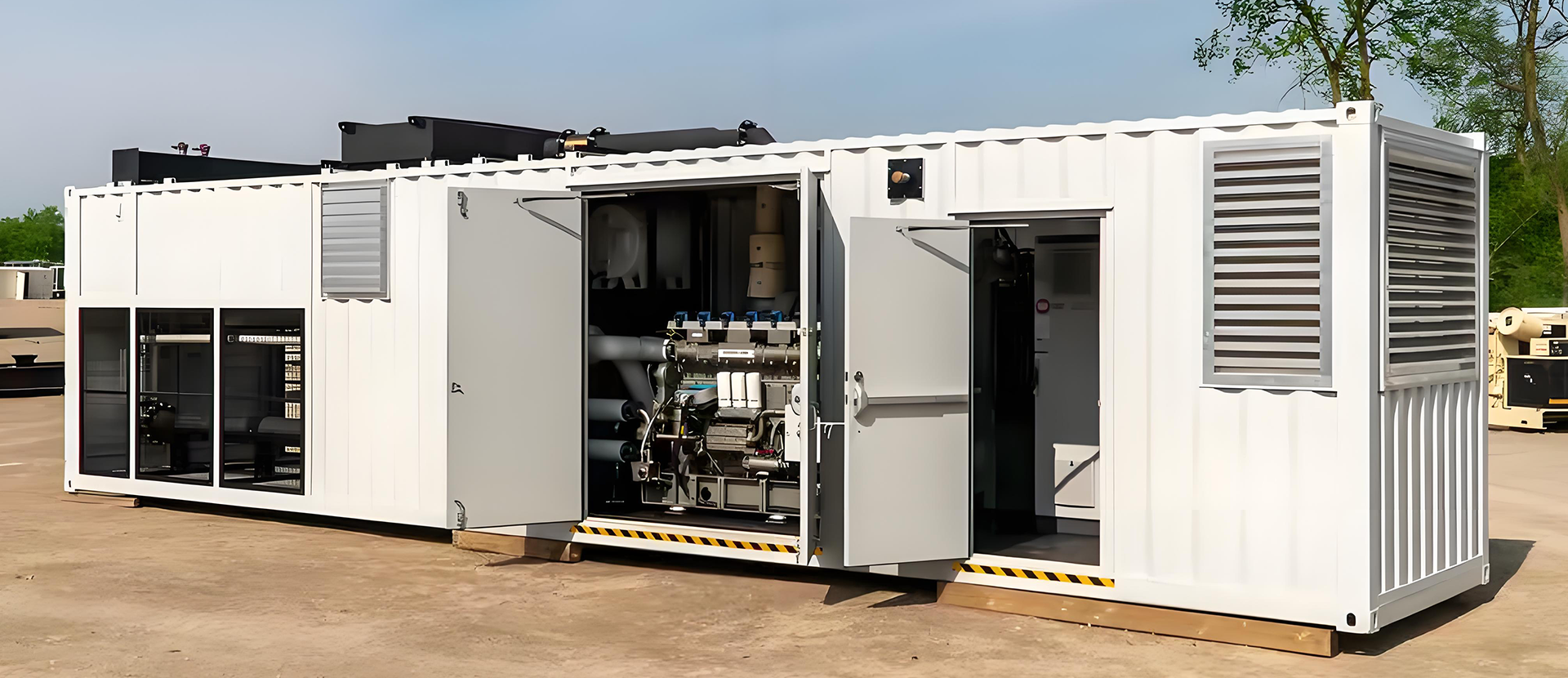
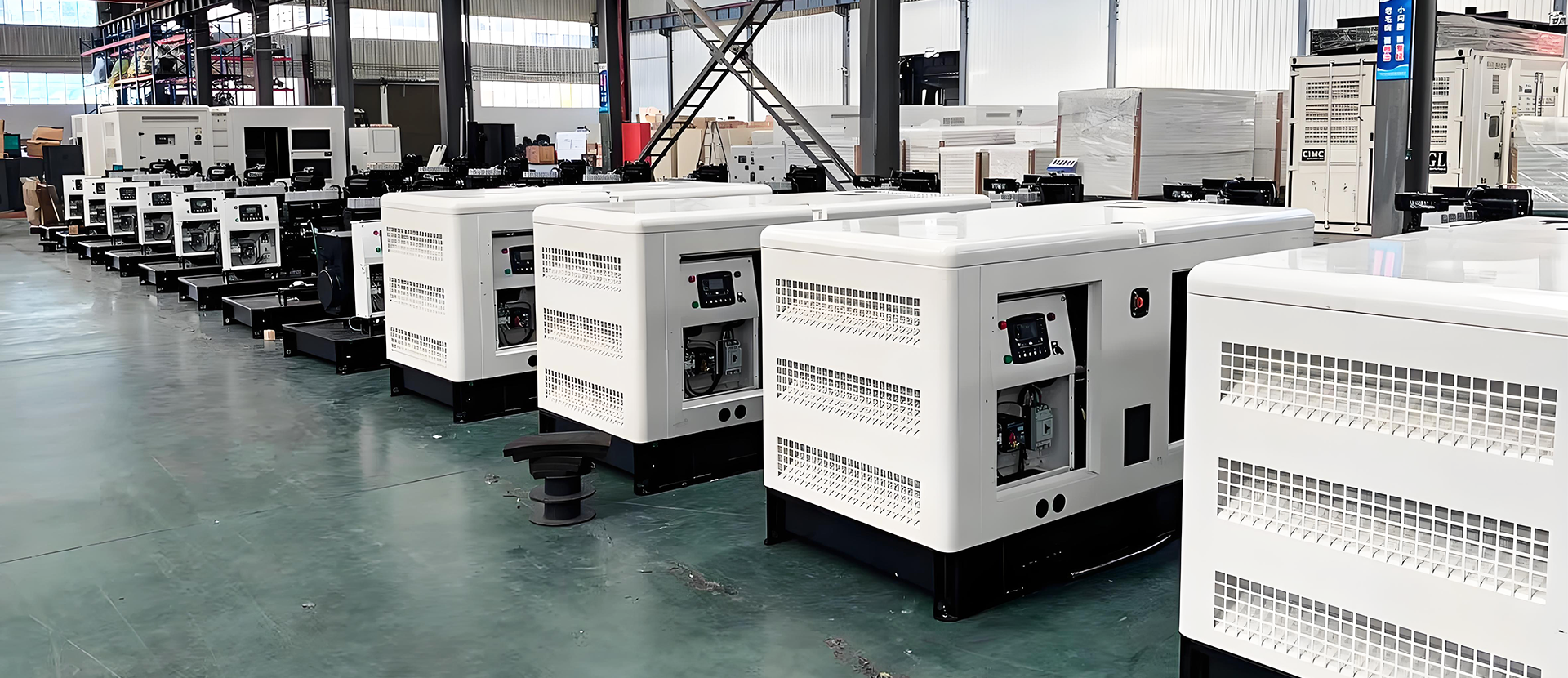
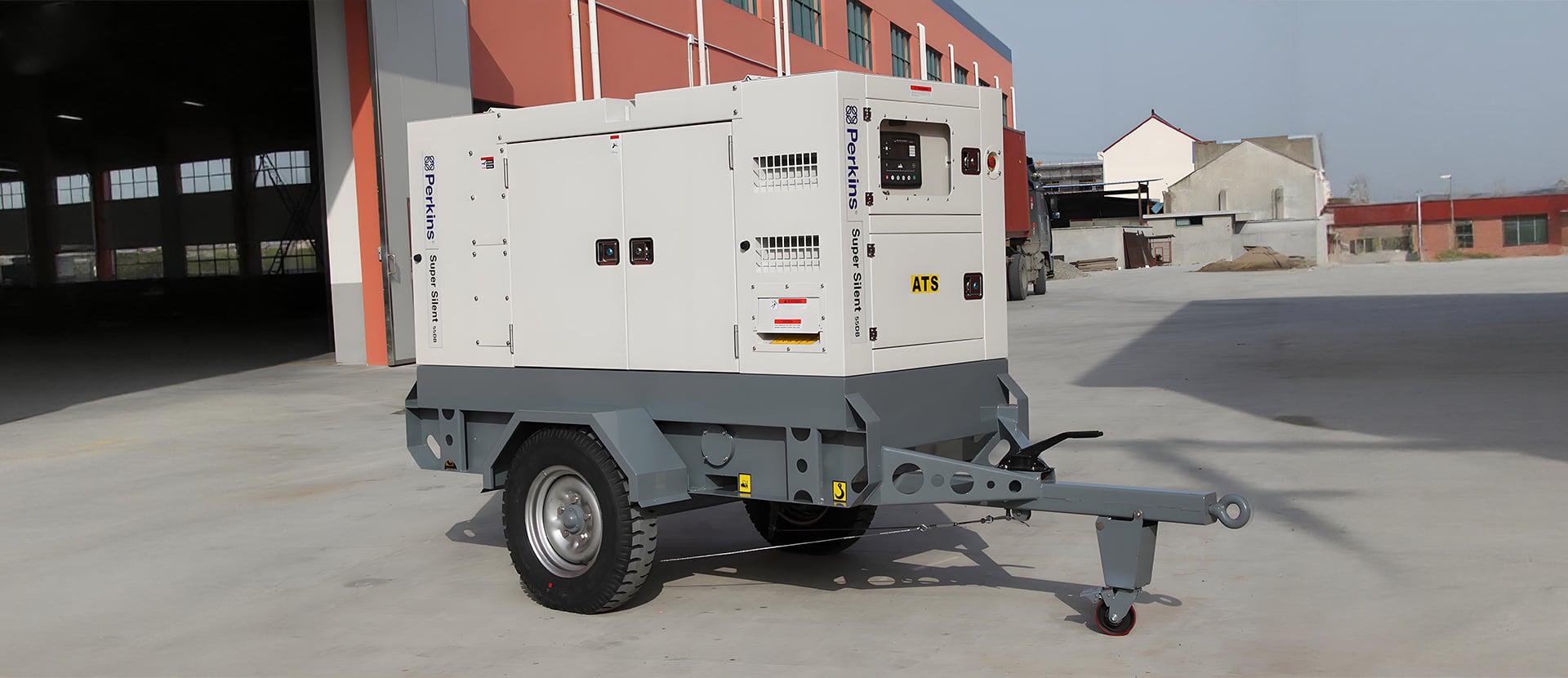
Tailored generator soluitions: reliable, efficient power for industrial, commercial & project need.
Our dedicated support team is available around the clock, providing instant technical assistance and responsive communication across all time zones to keep your power systems running without interruption.
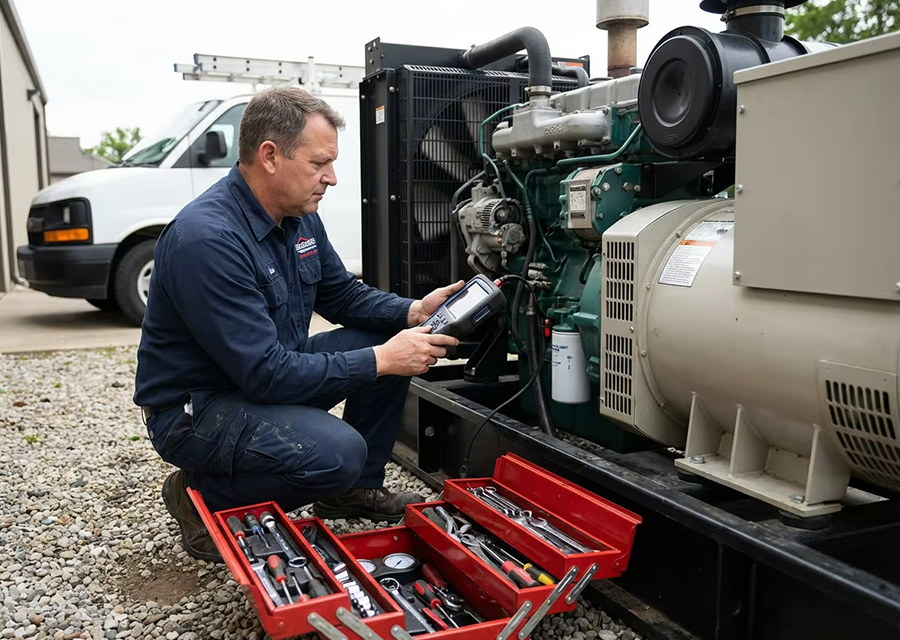
Our experienced engineers provide professional on-site installation, commissioning, and maintenance services, ensuring your generator systems run at peak performance wherever you are in Southeast Asia and South China.











Copyright © 2026 by Guangdong Minlong Electrical Equipment Co., Ltd. Privacy Policy