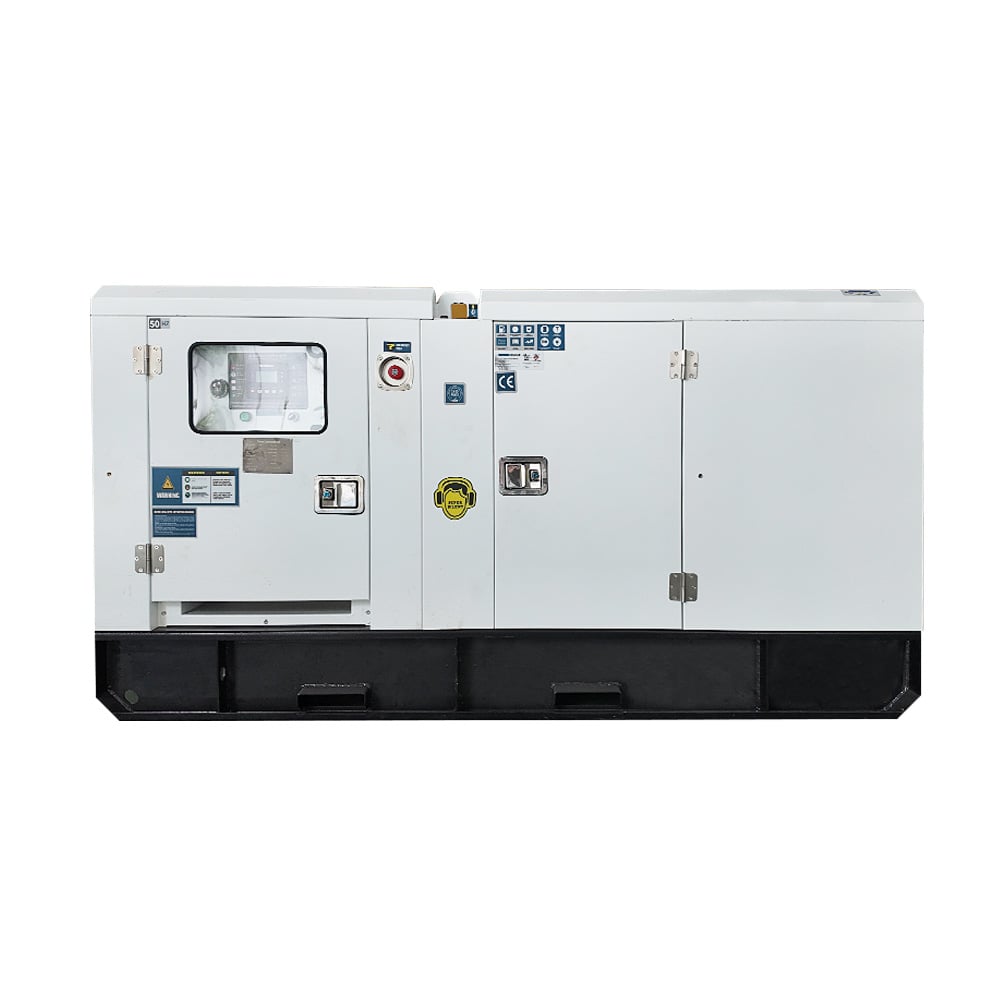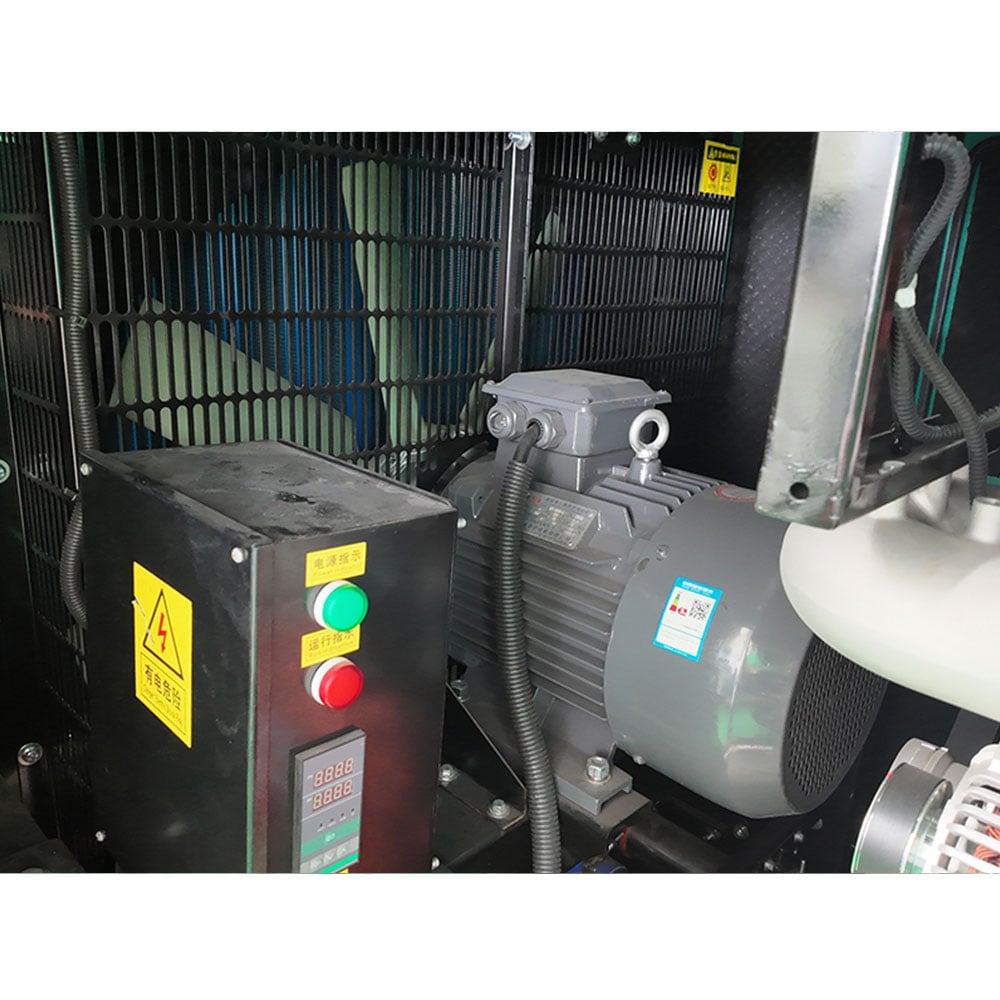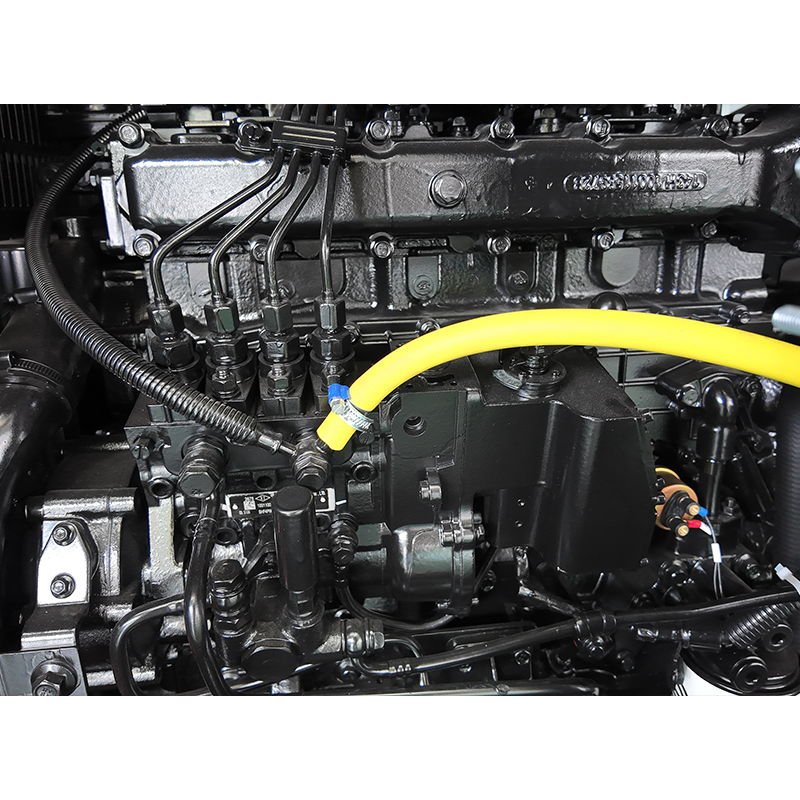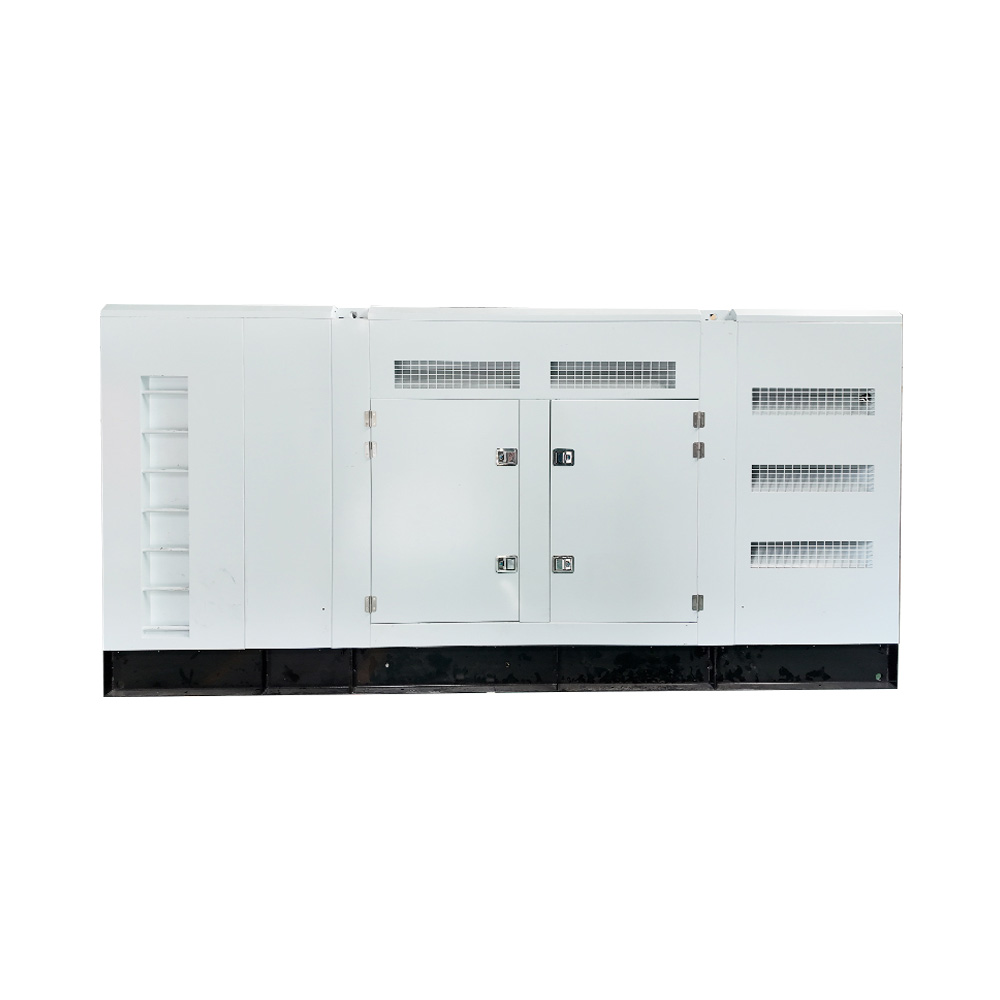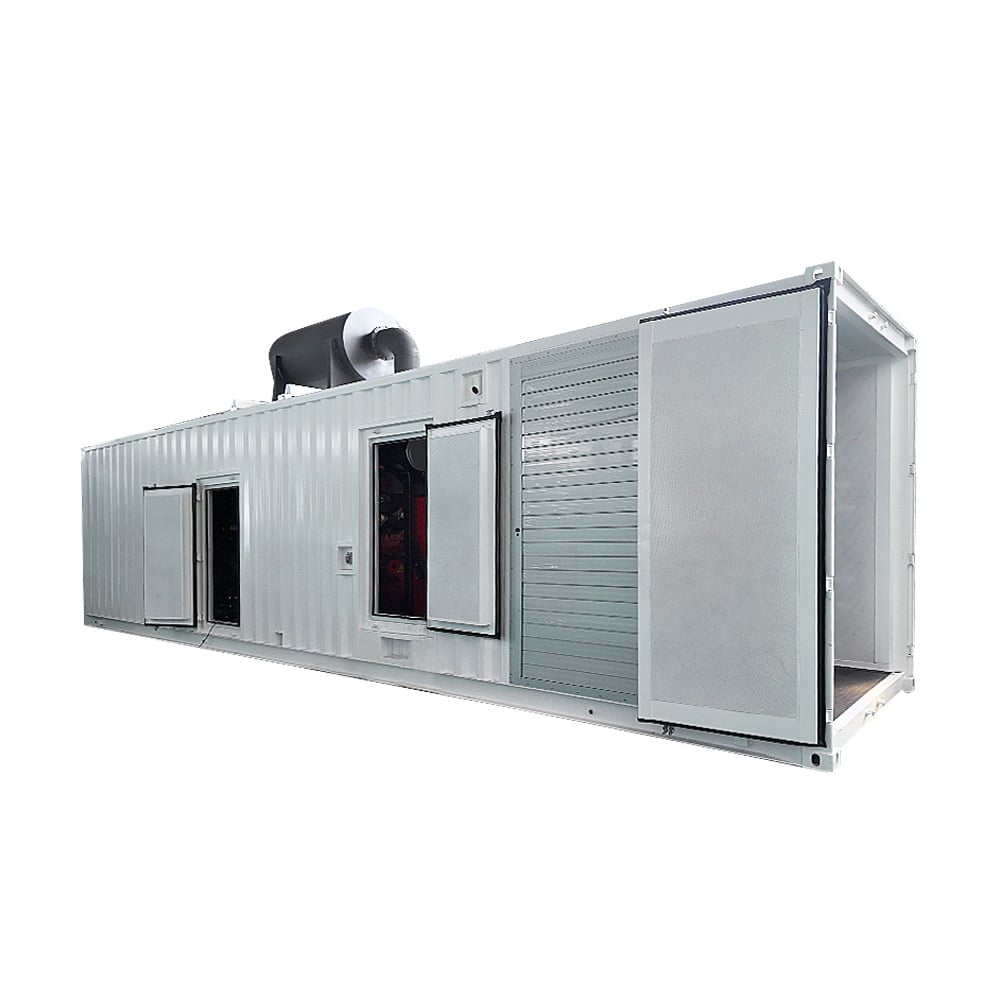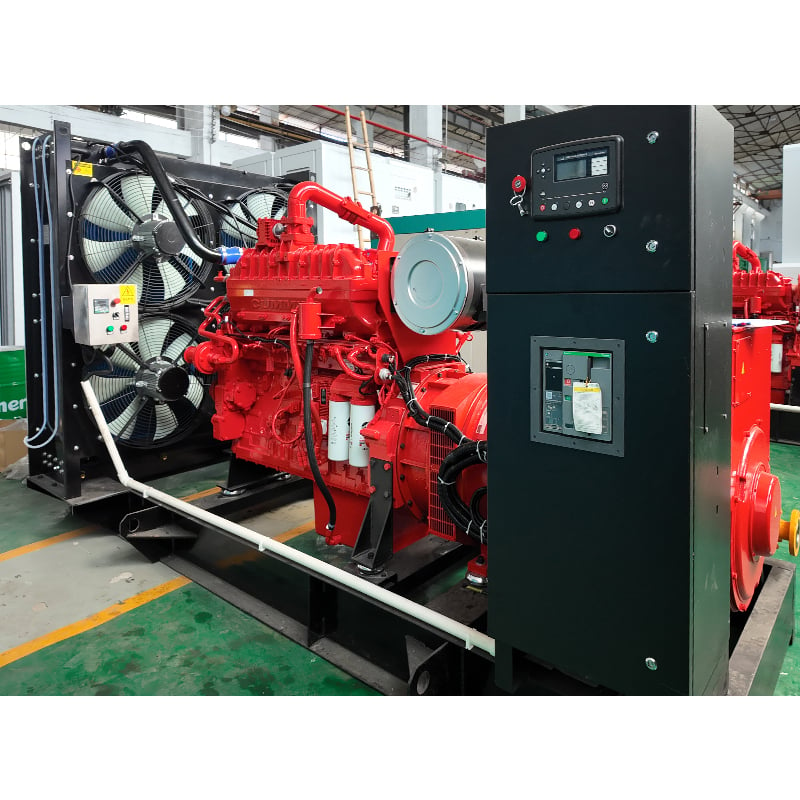
Set Generator Gas Alam: Solusi Daya yang Bersih dan Efisien untuk Masa Depan yang Berkelanjutan Seiring meningkatnya fokus komunitas global dalam mengurangi emisi karbon dan beralih ke sumber energi yang lebih bersih, set generator gas alam telah muncul sebagai teknologi krusial yang menjadi jembatan antara pembangkit listrik berbahan bakar fosil konvensional dan sistem energi terbarukan . Unit pembangkit listrik canggih ini menggabungkan keandalan teknologi generator konvensional dengan manfaat lingkungan dari bahan bakar fosil yang paling bersih dalam proses pembakarannya, menawarkan solusi menarik untuk berbagai aplikasi—mulai dari fasilitas industri dan gedung komersial hingga ladang minyak terpencil dan pusat data. Memahami Teknologi Generator Gas Alam Suatu unit generator gas alam beroperasi berdasarkan prinsip-prinsip yang secara mendasar berbeda dibandingkan unit generator diesel. Sementara mesin diesel menggunakan pengapian kompresi, mesin gas alam merupakan sistem pengapian busi yang berfungsi mirip dengan mesin bensin, tetapi menggunakan gas alam sebagai bahan bakarnya . Konfigurasi dasarnya melibatkan udara segar yang disaring melalui filter udara, dicampur dengan gas alam dalam pencampur khusus, kemudian dikompresi oleh kompresor turbocharger sebelum melewati intercooler guna meningkatkan kepadatannya. Campuran yang telah didinginkan dan dikompresi ini kemudian memasuki silinder melalui manifold masuk untuk proses pembakaran. Perangkat generator gas alam modern mengadopsi teknologi canggih yang secara signifikan meningkatkan kinerja dan kredensial lingkungan mereka. Produsen terkemuka menerapkan teknologi udara masuk bertekanan tinggi, siklus pembakaran Miller, strategi pembakaran lean-burn, serta sistem kontrol rasio udara-bahan bakar berbasis closed-loop. Inovasi-inovasi ini memberikan keunggulan luar biasa, antara lain kecerdasan tinggi, konsumsi panas rendah, emisi minimal, dan masa pakai operasional yang lebih panjang, dengan indikator teknis utama mencapai tingkat maju secara internasional. Keunggulan Menarik Pembangkit Listrik Berbasis Gas Alam Set generator gas alam menawarkan beragam manfaat luar biasa yang membuatnya semakin menarik di berbagai sektor. Yang paling signifikan, set generator ini menghasilkan emisi jauh lebih rendah dibandingkan alternatif berbahan bakar diesel. Pembakaran gas alam menghasilkan karbon dioksida dalam jumlah jauh lebih sedikit dibandingkan batu bara atau minyak, dan mesin pembakaran lean canggih mampu mengurangi emisi nitrogen oksida (NOx) serta karbon monoksida lebih dari 90 persen bila dilengkapi sistem perlakuan lanjutan pada gas buang. Sebagai contoh, generator gas alam mobile NexGen 400 dari Baseline Energy menghasilkan emisi NOx 90 persen lebih rendah dan emisi karbon monoksida 69 persen lebih rendah dibandingkan batas federal dan negara bagian paling ketat untuk kelas mesin serupa. Keuntungan ekonomis pun tak kalah menarik. Harga gas alam umumnya jauh lebih murah dibandingkan bahan bakar diesel, sehingga menghasilkan biaya operasional yang jauh lebih rendah untuk aplikasi pembangkit listrik berkelanjutan. fasilitas yang terhubung ke infrastruktur gas alam yang sudah terbangun menghilangkan seluruh biaya transportasi bahan bakar, sehingga semakin meningkatkan tingkat pengembalian investasi. Selain itu, generator gas alam umumnya memerlukan bahan habis pakai yang lebih sedikit dan perawatan yang kurang sering karena struktur mekanisnya yang lebih sederhana, sehingga menekan pengeluaran perawatan jangka panjang. Fleksibilitas operasional merupakan keunggulan kunci lainnya. Berbeda dengan generator diesel yang dirancang terutama untuk tugas siaga, banyak unit generator gas alam direkayasa untuk operasi terus-menerus 24/7, dengan periode perbaikan besar mencapai 80.000 jam dan perbaikan tengah pada 40.000 jam. ketahanan ini menjadikannya pilihan ideal untuk aplikasi daya utama di lokasi-lokasi yang tidak memiliki akses jaringan listrik yang andal. Selanjutnya, tidak adanya kebutuhan penyimpanan bahan bakar di lokasi memungkinkan desain sistem yang lebih ringkas, karena generator gas alam tidak memerlukan tangki bahan bakar terintegrasi. Aplikasi Beragam di Berbagai Industri Set generator gas alam melayani berbagai macam aplikasi yang sangat luas. Di lingkungan industri, generator ini menyediakan daya utama atau cadangan bagi fasilitas manufaktur, pabrik pengolahan, dan pusat data di mana operasi tanpa gangguan merupakan hal yang esensial . Sektor komersial merupakan segmen pasar utama, dengan instalasi di bandar udara, kantor, pusat perbelanjaan, hotel, dan rumah sakit yang memperoleh manfaat dari pasokan daya yang andal, hemat biaya, serta ramah lingkungan. Lokasi terpencil tanpa akses jaringan listrik nasional telah menjadi area aplikasi yang khususnya penting. Fasilitas produksi papan serat densitas sedang (medium-density fibreboard) WOTECH di Mesir—fasilitas pertama di benua Afrika dengan jenis ini—mengandalkan set generator bertenaga gas merek Rolls-Royce mtu untuk mencapai kemandirian penuh dari pasokan jaringan listrik nasional instalasi-instalasi ini tidak hanya menyediakan daya yang andal, tetapi juga mencapai efisiensi luar biasa dengan memanfaatkan panas buang dari sistem pendingin generator, di mana aplikasi pembangkit listrik dan panas terpadu (combined heat and power) mampu mencapai tingkat efisiensi total hingga 90 persen. Industri minyak dan gas itu sendiri telah muncul sebagai pengguna utama teknologi generator gas alam. Unit generator gas alam yang dipasang pada rangka (skid-mounted) berfungsi sebagai "pembangkit listrik mini" portabel di lokasi fracking dan sumur yang terpencil, menyediakan tenaga listrik dengan tingkat kebisingan 30 persen lebih rendah dan emisi karbon dioksida 30 persen lebih rendah dibandingkan alternatif berbasis diesel. sistem modular ini dapat di-deploy secara cepat dan diskalakan sesuai permintaan, dengan 28 unit mampu dipasang dan dioperasikan dalam waktu sesingkat 20 hari. Yang paling inovatif, generator-generator ini dapat memanfaatkan gas terasosiasi yang dihasilkan selama ekstraksi minyak—gas yang sebelumnya dibakar (flared) sebagai limbah—sehingga mengubah beban lingkungan menjadi listrik bernilai guna untuk operasi pengeboran dan fracking. Lanskap Pasar dan Pemain Utama Pasar generator gas alam global merupakan industri yang besar dan terus berkembang, bernilai sekitar USD 9,76 miliar pada tahun 2024 dan diproyeksikan mencapai USD 25,43 miliar pada tahun 2033, dengan tingkat pertumbuhan tahunan majemuk sebesar 11,23 persen . Amerika Utara saat ini mendominasi pasar, didukung oleh cadangan gas shale yang melimpah, infrastruktur transportasi gas alam yang sudah berkembang baik, serta keberadaan produsen peralatan asli (OEM) terkemuka . Kawasan Asia-Pasifik diperkirakan akan mengalami pertumbuhan tercepat, didorong oleh industrialisasi pesat di Tiongkok, India, Jepang, dan Korea Selatan, serta inisiatif pemerintah dalam mempromosikan sumber bahan bakar yang lebih bersih. Lanskap persaingan mencakup beberapa produsen global terkemuka. Caterpillar memimpin pasar dengan pangsa sekitar 20 persen, diikuti oleh Cummins, INNIO Jenbacher, Generac, Kohler, MTU Onsite Energy, serta banyak pemain regional. Produsen-produsen ini menawarkan portofolio produk yang komprehensif, mencakup seluruh rentang daya—mulai dari unit residensial berdaya kecil 25 kW, sistem komersial berdaya menengah 100–500 kW, hingga instalasi industri berskala besar yang melebihi 500 kW. Segmentasi Produk dan Kemampuan Set generator gas alam tersedia dalam berbagai konfigurasi untuk memenuhi hampir semua kebutuhan daya. Set generator berdaya rendah di bawah 100 kW digunakan untuk aplikasi cadangan residensial dan komersial kecil, menyuplai daya ke peralatan rumah tangga penting serta operasional bisnis kecil selama terjadi pemadaman jaringan listrik. sistem berdaya menengah dengan kisaran 100–500 kW merupakan segmen pasar terbesar, yang melayani gedung komersial, fasilitas industri ringan, serta aplikasi institusional. genset berdaya tinggi di atas 500 kW menangani beban industri berat, pusat data berukuran besar, serta proyek pembangkitan terdistribusi berskala utilitas. Generator gas alam modern dilengkapi kemampuan kontrol dan pemantauan yang canggih. Sistem sensor mutakhir secara terus-menerus memantau kandungan BTU bahan bakar sebelum pembakaran, serta secara otomatis menyesuaikan parameter operasional guna mengoptimalkan keluaran daya dan kinerja emisi—terlepas dari variasi komposisi gas. Platform pemantauan jarak jauh memberikan visibilitas waktu nyata terhadap keluaran kilowatt, persentase beban, tekanan bahan bakar, suhu mesin, dan komposisi gas, sehingga memungkinkan perawatan preventif dan waktu aktif sistem maksimal. Integrasi dengan Sistem Energi Terbarukan Generator gas alam memainkan peran yang semakin penting dalam sistem energi hibrida bersama sumber terbarukan. Meskipun tenaga surya dan angin terus berkembang pesat, keduanya tidak mampu menyediakan daya yang andal dan kontinu secara mandiri—yang sangat diperlukan bagi fasilitas kritis seperti rumah sakit dan instalasi pengolahan air limbah. Generator gas alam melengkapi instalasi terbarukan dengan menyediakan daya sesuai permintaan ketika sumber tenaga surya atau angin tidak tersedia, sehingga menjamin keandalan sistem sekaligus mempertahankan emisi keseluruhan yang lebih rendah dibandingkan alternatif berbahan bakar diesel. Konfigurasi mikrogrid yang mengintegrasikan generator gas alam menawarkan manfaat tambahan, memungkinkan bisnis mengurangi ketergantungan pada utilitas listrik dan berpotensi menjual kelebihan daya kembali ke jaringan listrik . Kemampuan ini terbukti sangat bernilai seiring meningkatnya tuntutan daya yang belum pernah terjadi sebelumnya akibat penerapan kecerdasan buatan, armada kendaraan listrik (EV), serta sistem energi terdistribusi—yang mungkin sulit dipenuhi oleh utilitas listrik konvensional. Pertimbangan Lingkungan dan Tinjauan Masa Depan Gas alam berperan sebagai bahan bakar perantara yang krusial dalam transisi energi global, menghasilkan emisi yang jauh lebih rendah dibandingkan batu bara atau minyak sambil mendukung ekspansi berkelanjutan infrastruktur energi terbarukan . Karakteristik pembakarannya yang bersih, dikombinasikan dengan kemampuan memanfaatkan gas alam terbarukan dari sumber biogas dan biomethana, menjadikan generator gas alam sebagai komponen penting dalam strategi energi berkelanjutan. Kemajuan teknologi berkelanjutan terus meningkatkan kinerja lingkungan generator gas alam. Teknologi pembakaran lean-burn, sistem kontrol loop-tertutup, serta perlakuan lanjutan terhadap gas buang telah secara drastis mengurangi emisi NOx dan partikulat . Pengembangan masa depan dalam pencampuran hidrogen dan teknologi penangkapan karbon menjanjikan pengurangan emisi yang bahkan lebih besar, sehingga memastikan bahwa pembangkit listrik berbasis gas alam tetap relevan selama transisi bertahun-tahun menuju sistem energi terbarukan sepenuhnya. Kesimpulan Set generator gas alam merupakan teknologi yang sudah matang, andal, dan semakin canggih, yang menjawab kebutuhan dunia akan pembangkit listrik yang lebih bersih. Kombinasi efisiensi ekonomi, fleksibilitas operasional, serta tanggung jawab lingkungan menjadikannya tak tergantikan di berbagai aplikasi industri, komersial, dan daerah terpencil. Seiring dengan perkembangan sistem energi global menuju keberlanjutan yang lebih tinggi, generator gas alam akan terus berperan sebagai komponen penting dalam bauran pembangkit listrik, menyediakan pasokan listrik yang andal sekaligus mendukung integrasi sumber energi terbarukan dan transisi menuju masa depan beremisi karbon lebih rendah.
Generator kelas industri dengan waktu aktif 99,9%, dirancang untuk memberikan kinerja konsisten bagi operasi B2B kritis—bahkan dalam kondisi ekstrem.
Teknologi mesin canggih mengurangi konsumsi bahan bakar hingga 20%, menekan biaya operasional sekaligus meminimalkan dampak lingkungan demi nilai jangka panjang.
Dibangun menggunakan material berkekuatan tinggi dan komponen tahan korosi, ideal untuk lokasi konstruksi, pusat data, serta fasilitas industri yang memerlukan operasi 24/7.
Desain ramah pengguna menyederhanakan pemeriksaan rutin; jaringan layanan purna-jual global menjamin pengiriman suku cadang dan bantuan teknis yang cepat guna meminimalkan waktu henti.












Hak Cipta © 2026 oleh Guangdong Minlong Electrical Equipment Co., Ltd. Kebijakan Privasi