





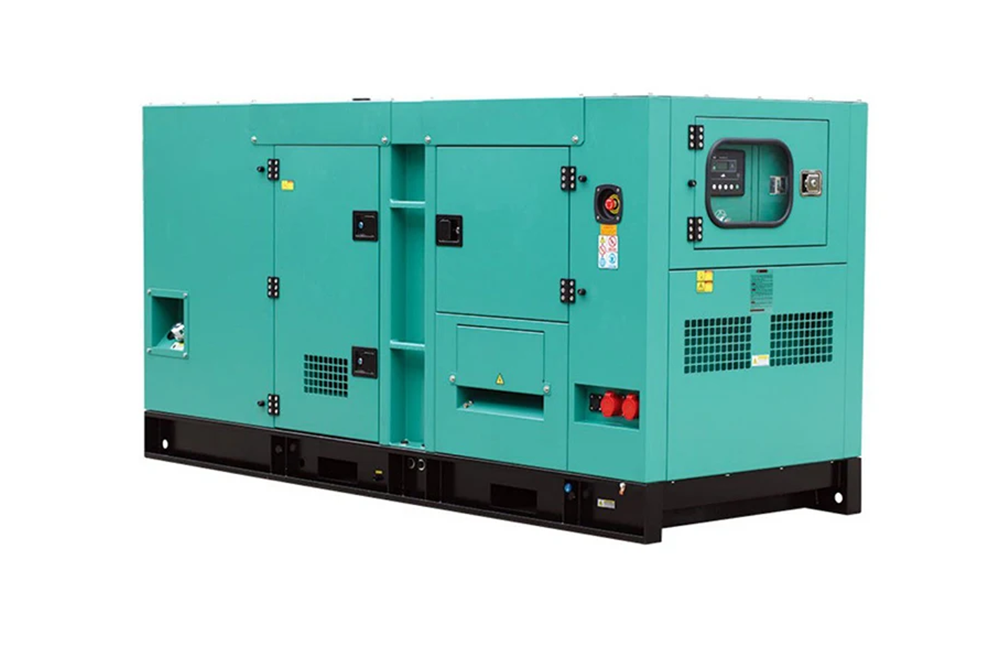
How Silent Diesel Generator Sets Work: Technology Behind Noise Reduction
Defining Silent Operation in Noise-Sensitive Environments
Silent operation means maintaining noise levels below 65 dBA at 7 meters—equivalent to normal conversation—as defined by ISO 8528-5. This standard ensures compliance with strict acoustic requirements in hospitals (45–55 dBA indoors) and schools (≤60 dBA campus-wide), balancing regulatory mandates with human comfort.
Core Components of a Soundproof Diesel Generator
Modern silent diesel generator sets integrate three key elements:
Together, these components reduce noise emissions by up to 40% compared to open-frame models, as confirmed in 2023 field tests by industrial acousticians.
How Advanced Noise Reduction Technologies Enhance Low Noise Performance
Engineers apply a multi-stage approach to suppress noise across its sources:
|
Noise Source |
Reduction Technology |
Typical dB Reduction |
|
Mechanical vibration |
Active damping mounts |
8–12 dBA |
|
Exhaust pulses |
Multi-chamber reactive mufflers |
15–20 dBA |
|
Radiated noise |
Constrained-layer damping panels |
10–14 dBA |
This comprehensive strategy enables modern units to operate between 62–68 dBA, significantly lower than the 85–95 dBA produced by conventional generators—ensuring minimal disruption in sensitive environments like hospital ICUs.
The Role of Sound-Dampening Enclosures and Anti-Vibration Mounts
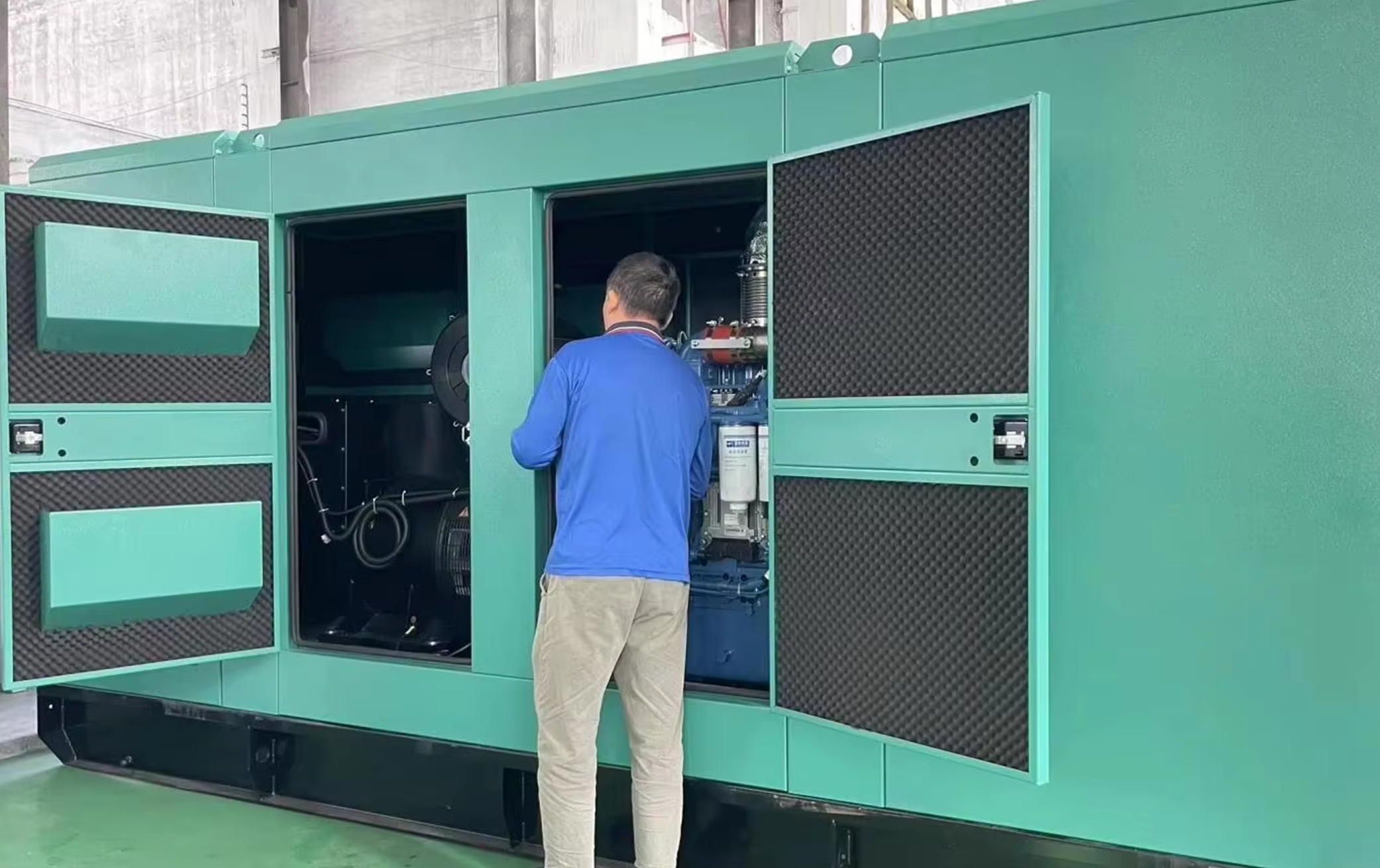
Acoustic enclosures are engineered with:
Paired with triple-stage vibration isolators (natural frequency <5 Hz), this design reduces structural-borne noise by 18–22 dB across the critical 100–800 Hz range, preventing sound transmission through building foundations.
Decibel Reduction Compared to Traditional Generators: Measuring Real-World Impact
Field measurements demonstrate the real-world effectiveness of silent technology:
・Urban hospital: 54.3 dBA at 10m vs. 79.8 dBA for conventional units
・School campus: Nighttime noise measured at 48.6 dBA, well below the 55 dBA curfew limit
・University lab: Background noise increased by less than 3 dBA during operation
These results confirm that silent generators preserve ambient acoustic conditions within WHO-recommended thresholds for healthcare and education settings.
Key Applications in Healthcare: Silent Diesel Generator Sets for Hospitals
Power Solutions for Hospitals Requiring Uninterrupted and Quiet Backup
Backup power is absolutely critical in hospitals where both reliability and quiet operation matter most. The silent diesel generators used there keep life support machines and MRI scanners running nonstop with about 99.9% uptime. These generators run at around 58 decibels, which sounds roughly like rain falling steadily outside. When the main power goes down, automatic transfer switches kick in so everything keeps working without interruption. This meets the strict NFPA 110 requirements hospitals must follow for their emergency power systems. Without these systems in place, patient care would be at serious risk during any kind of electrical failure.
Maintaining Optimal Acoustics for Indoor Environments in Healthcare Facilities
Patient recovery zones often require noise levels under 35 dBA. Silent generators meet this demand through multi-layer enclosures and frequency-tuned exhaust systems. A 2022 study in the Journal of Healthcare Engineering found that low-noise units reduced sleep disturbances in post-operative wards by 41% compared to traditional models.
Compliance With International Noise Regulations in Medical Settings
Silent generator sets operating below 65 dBA at 7 meters comply with key international standards, including WHO guidelines, EPA Tier 4 Final emissions rules, and IEC 60947-6-1 noise limits. Facilities using compliant systems report 72% fewer noise-related compliance incidents annually (Healthcare Facility Management Index 2023).
Case Study: Silent Industrial Generator Deployment in Urban Hospital ICU Wing
In 2023, a metropolitan hospital upgraded its aging generators with silent units featuring:
・Triple-walled acoustic enclosures with 30mm noise-absorbing materials
・Hydraulic anti-vibration mounts reducing structural noise by 54%
・AI-assisted load management to minimize off-peak runtime noise
Post-installation measurements showed a 68% reduction in noise levels near neonatal units, allowing uninterrupted use of audio-based diagnostic tools.
Ensuring Patient Comfort and Staff Concentration Through Silent Operation
Lower noise levels directly support clinical performance. A 2024 patient satisfaction survey linked silent backup systems to:
・27% improvement in sleep quality for long-term care patients
・19% faster nurse response times due to clearer communication
・33% reduction in medication errors tied to environmental distractions
Recent analyses confirm that hospitals prioritizing acoustic performance experience 22% fewer noise-related patient complaints annually.
Supporting Education Infrastructure: Silent Generators for Schools and Universities
Standby Power Needs in Academic Environments
Schools and universities need stable electricity to keep their computer labs running, maintain sensitive research gear, and manage heating and cooling systems. That's where silent diesel generators come in handy, supplying power when needed without causing any interruptions during lessons or office hours, particularly important in regions where the main power supply is unreliable. According to research published last year, colleges that installed these quiet emergency power solutions saw almost no class time lost due to outages—around 92% less than schools still dependent entirely on local grid connections. For administrators dealing with budget constraints and student satisfaction issues, this makes a big difference in day-to-day operations.
Minimizing Disruptions During Exams and Classroom Activities
Noise during exams or lab work can impair concentration. Silent generators operate at 52–65 dBA at 7 meters—within conversational speech levels—allowing HVAC and lighting to run during testing while staying below the WHO’s recommended 65 dBA threshold for learning environments.
Long-Term Benefits of Low Noise Performance in Academic Campuses
Schools using silent generators report 34% lower maintenance costs over five years (Energy Education Council, 2022). Enhanced soundproofing and reduced vibration extend equipment lifespan, while fuel-efficient designs cut annual operating costs by 18–22%, freeing funds for academic resources.
Comparison Between Open-Type and Silent Generators in School Acoustic Planning
Open-type generators emit 85–95 dBA, necessitating placement over 50 meters from classrooms to meet regulations. In contrast, silent models achieve compliance within 15–20 meters thanks to advanced enclosures and anti-vibration mounts. Urban schools using silent units save 40–60% on soundproofing infrastructure compared to retrofitting for noisier systems.










Copyright © 2026 by Guangdong Minlong Electrical Equipment Co., Ltd. Privacy Policy